💧
Water Removal & Extraction
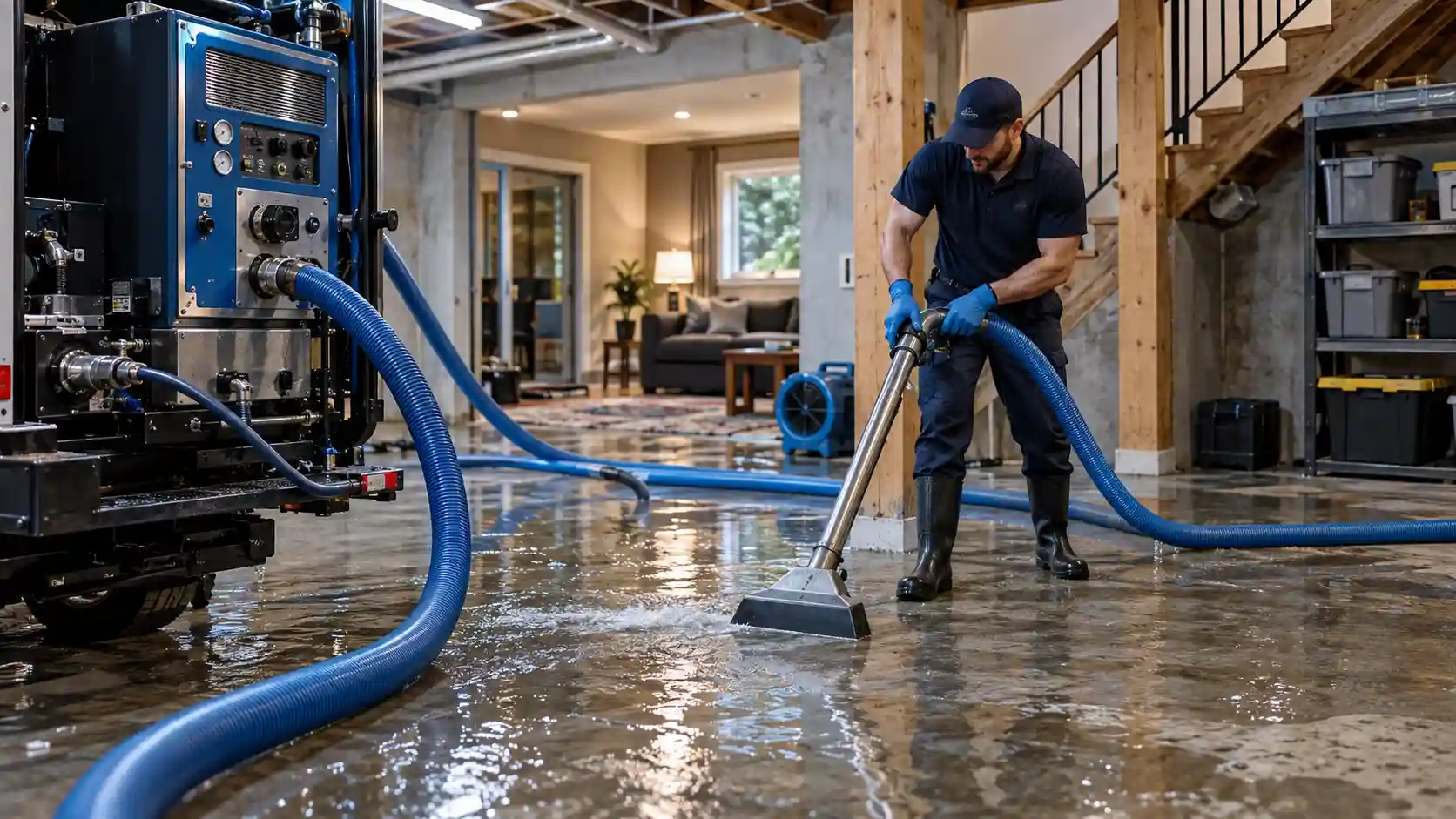
High-capacity truck-mounted and portable extraction units clear standing water fast from flooded basements, crawl spaces, and commercial floors.
View Details →30-Minute Emergency Response · Contaminated-Water Certified · Direct Insurance Billing
Water rising in your basement after an atmospheric river storm? Floodwater pushing through your foundation during a King County downpour? Flooding isn't a clean-water leak — it carries contamination, spreads fast, and breeds mold within 24 to 48 hours. And in Seattle's wet climate, saturated materials barely dry on their own.
RapidDry Restoration Seattle delivers complete flood damage restoration and cleanup across Seattle — with a 30-minute emergency response, certified contaminated-water handling, high-capacity extraction, structural drying, and full sanitization. We pump it out, dry it right, and fix what let the water in — so it doesn't happen again.
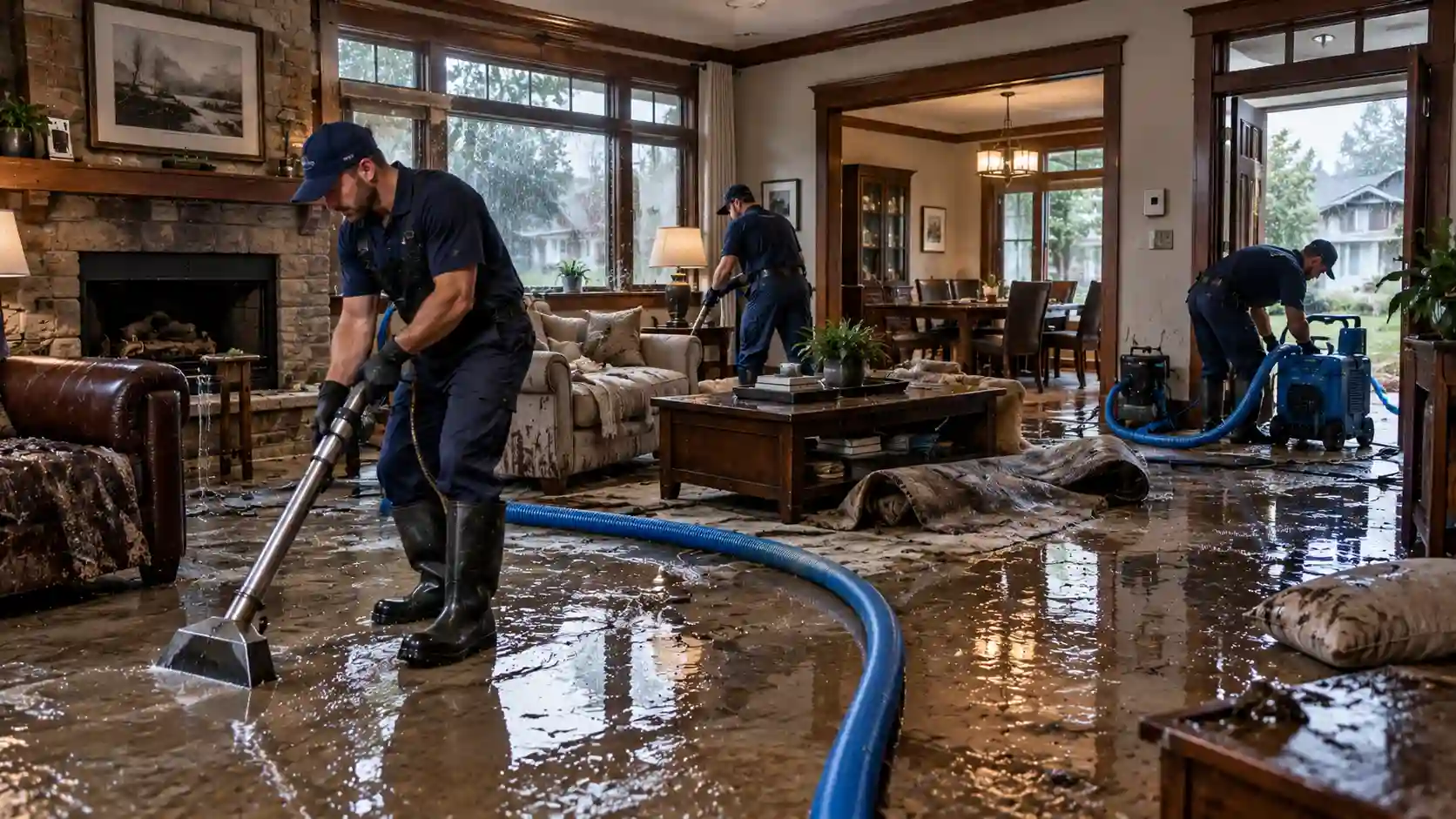
Flooding is one of the top causes of property damage in the country — and it catches property owners off guard because it strikes fast and hits hardest exactly where Seattle homes are most vulnerable. When floodwater enters your property, every hour it sits it soaks deeper into framing, flooring, and belongings, spreads contamination, and moves closer to permanent structural damage and mold.
Seattle's geography and climate make flooding a constant threat: 37-plus inches of annual rainfall, atmospheric river storms that overwhelm drainage, a high seasonal water table, dense glacial-till soil that traps water against foundations, and low-lying and hillside properties across King, Pierce, and Snohomish counties. Add persistent humidity that slows natural drying, and floodwater that sits becomes floodwater that ruins.
RapidDry responds in 30 minutes across Seattle — the fastest in the market — with IICRC-certified crews trained in contaminated-water handling and flood restoration. We've served Seattle since 2012 as an IICRC-Certified Firm (#684920), WA-licensed, bonded, and insured to $2M.
Flood damage restoration is the complete process of removing floodwater, decontaminating and drying the property, and restoring it to a safe, pre-flood condition. It's not just pumping out water — it's safe handling of contaminated water, removing unsalvageable materials, sanitizing everything the water touched, drying the structure to verified moisture levels, preventing mold, and repairing the damage.
This is the critical difference most people miss: floodwater is almost never clean. A burst supply pipe releases clean water; a flood — from storm runoff, groundwater, or a sewer backup — carries bacteria, sewage, chemicals, silt, and debris. That contamination changes everything: the safety protocol, the protective equipment, what can be saved, and how the space must be sanitized. Treating floodwater like a clean leak puts your health at risk. (For clean-water leaks and general extraction, see our Water Removal & Extraction page.)
Floodwater spreads wider and carries more contamination than a contained leak, so it reaches more materials, faster — and every hour raises the health risk and the cost. In Seattle's damp climate, mold begins within 24 to 48 hours, and contaminated water left standing turns salvageable materials into removal-and-replace. A 30-minute response isn't a marketing line here — it's the difference between drying a room and gutting it.
Flooding in Seattle rarely comes from one place — it's the region's climate, geography, and aging drainage all working against your property at once. Knowing the source is the first step to stopping it from happening again.
Seattle's fall-through-spring wet season and atmospheric river events dump relentless rainfall that overwhelms gutters, storm drains, and municipal systems — pushing water into basements, crawl spaces, and ground floors.
Saturated glacial-till soil and a high seasonal water table build hydrostatic pressure against foundations, forcing groundwater up through basement floors and in through foundation cracks and cold joints.
Low-lying and waterfront properties across the Puget Sound region face river overflow, coastal surge, and rising water during major storms — fast, high-volume flooding that demands immediate response.
When a sump pump fails or is overwhelmed during heavy rain — or the power goes out mid-storm — water collects rapidly in the lowest part of the property with nothing to push it back out.
Overwhelmed municipal sewer lines back up into homes, and interior pipe failures flood from within — both introducing contaminated Category 3 water that demands certified handling.
Here's what separates real flood restoration from a shop-vac and a fan: floodwater is classified by contamination level, and each category demands a completely different safety, removal, and sanitization protocol. Getting this wrong risks your health and leaves contamination behind. Our crews classify the water on arrival.
| Category | Water Type | Common Flood Sources | Our Protocol |
|---|---|---|---|
| Category 1 | Clean Water | Rainwater intrusion from a clean source | Extraction + rapid structural drying |
| Category 2 | Gray Water | Overflow with some contaminants, appliance-related flooding | Extraction + antimicrobial sanitization |
| Category 3 | Black Water | Sewer backups, groundwater flooding, storm surge, river/coastal water | Full PPE, containment, biohazard removal + hospital-grade disinfection |
⚠️ Most flooding is Category 2 or 3. Storm runoff, groundwater, and sewer backups carry bacteria, viruses, sewage, and chemicals. Even "clean" rainwater degrades to Category 2 within hours and Category 3 within days as it sits and picks up contaminants. This is exactly why DIY flood cleanup is dangerous — and why our crews handle it with full protective equipment, containment, and EPA-registered disinfection.
Floodwater isn't just a property threat — it's a serious health hazard. Storm and groundwater flooding, and especially sewer backups, carry bacteria, viruses, parasites, sewage, and chemical contaminants that cause real illness on contact or through contaminated air.
Exposure to contaminated floodwater can cause gastrointestinal illness, skin and wound infections, respiratory problems from mold that follows, and exposure to pathogens like E. coli and hepatitis. The risk is highest for children, the elderly, pregnant women, and anyone with a compromised immune system — and it doesn't end when the visible water is gone, because bacteria and mold keep growing in saturated materials.
⚠️ Never wade into or attempt to clean up flood water without protective equipment — and never assume it's safe because it looks clear. Electrical hazards, structural instability, and invisible contamination make DIY flood cleanup genuinely dangerous.
The first steps after flooding protect your safety, your property, and your insurance claim. Here's exactly what to do — and what to avoid — before our crew arrives.
Get everyone to safety first — floodwater rises fast and can be deeper or more contaminated than it looks
Shut off power and gas to affected areas if you can do it safely — water and electricity are a deadly mix
Move valuables up and out — lift furniture, and get documents, electronics, and keepsakes to a dry area
Take photos and video of everything before you move or remove anything — critical for your insurance claim
Call your insurance carrier to open a claim
Call a certified restoration company — RapidDry responds in 30 minutes with contaminated-water handling
Don't wade into standing floodwater — it may be contaminated, electrically charged, or hiding hazards
Don't use electrical appliances or outlets in flooded areas until they're inspected
Don't attempt DIY cleanup of contaminated floodwater — it's a biohazard needing proper equipment
Don't throw anything away yet — insurers need to document damaged items before removal
Don't wait for it to "drain on its own" — every hour spreads contamination and moves mold closer
In Seattle's damp climate, floodwater doesn't wait — and neither should you. Every hour of delay multiplies the damage, the health risk, and the cost.
Saturated framing, drywall, and insulation reach mold-growth conditions within a day or two — faster in Puget Sound humidity. Once mold sets in, flood cleanup becomes mold remediation, a bigger and costlier job.
Floodwater wicks into subfloor, framing, and load-bearing materials, warping wood, weakening structure, and corroding metal — a serious risk in Seattle's older homes and below-grade spaces.
Category 2 and 3 floodwater doesn't stay put — it spreads bacteria and pathogens across every surface and into porous materials, turning a contained problem into a whole-property contamination.
The longer floodwater sits, the wider the damage zone and the higher the bill — and delayed, undocumented response can complicate your claim.
Every phase of flood recovery, handled in-house by one certified team — from emergency extraction to final repair.
30-minute arrival, 24/7/365, with truck-mounted and submersible pumps that clear high-volume floodwater fast — before it spreads and contaminates further.
Specialized pumping and drying for Seattle's below-grade spaces, where floodwater collects first and lingers longest.
Safe removal and disposal of contaminated, unsalvageable materials — carpet, drywall, insulation — following EPA and IICRC protocols.
Commercial air movers and LGR dehumidifiers dry framing, subfloor, and cavities to verified moisture levels, with daily monitoring.
Hospital-grade, EPA-registered disinfection of every surface the floodwater touched — critical for Category 2 and 3 contamination.
Cleaning, drying, and restoring salvageable carpet, flooring, and belongings — with secure storage while your property is restored.
Antimicrobial treatment and moisture monitoring to stop the mold that follows every flood before it can take hold.
Sealing cracks, correcting drainage, and moisture-control solutions to protect your property from the next storm.
Basements and crawl spaces flood first and dry last — they sit below grade, surrounded by saturated soil, and gravity sends every drop of intruding water straight down into them. In Seattle, that makes below-grade flooding the single most common flood call we get.
Groundwater pressure, foundation cracks, failed sump pumps, poor drainage, and overwhelmed storm systems all push water into basements and crawl spaces — and once it's there, cold concrete, minimal airflow, and Seattle's humidity keep it damp for weeks without professional drying. Left alone, that trapped moisture rots framing, ruins stored belongings, and breeds mold that spreads upward into the rest of the home.
Our basement flood cleanup follows a proven sequence: pump out standing water with high-capacity vacuums and submersible pumps, safely remove damaged contents and unsalvageable materials, thoroughly clean and disinfect every contaminated surface, assess soaked drywall and framing for what can be dried versus removed, and run commercial dehumidifiers and air movers until moisture levels are verified safe — eliminating the conditions mold needs. Then we address why it flooded, so it doesn't happen again next storm.
Every RapidDry flood project follows the same structured, IICRC-compliant sequence — because with contaminated floodwater, the order matters: extract, decontaminate, and dry in the wrong sequence and you just spread the problem.
A certified crew is on-site in 30 minutes, 24/7/365, with pumps and extraction equipment ready to run before the water spreads further.
We classify the floodwater (Category 1, 2, or 3), identify the source, and map the full extent of intrusion with thermal imaging and moisture meters — including hidden water in walls and subfloor.
Truck-mounted and submersible pumps clear high-volume standing water fast, from finished floors to flooded basements and crawl spaces.
Unsalvageable, contaminated materials — carpet, padding, saturated drywall, insulation — are safely removed and disposed of to EPA and IICRC standards.
Every surface the floodwater touched is cleaned and disinfected with hospital-grade, EPA-registered antimicrobial agents — essential for Category 2 and 3 contamination.
Commercial air movers and LGR dehumidifiers dry framing, subfloor, and cavities to verified moisture levels, with daily readings logged to IICRC S500 goals.
Antimicrobial treatment and ongoing moisture monitoring stop post-flood mold before it can start — critical in Seattle's damp climate.
We repair and rebuild damaged areas to pre-flood condition, and document the entire loss — photos, readings, and scope — to support your insurance claim.
Contaminated floodwater is different from a clean leak — more materials have to go, because porous items that soak up Category 2 or 3 water can't be safely disinfected. Before anything's removed, we assess every item and document it for your claim, saving what we safely can.
| ✅ Materials We Can Usually Restore | ❌ Materials That Must Be Removed |
|---|---|
| Sealed concrete and hard surfaces | Carpet and carpet padding soaked in floodwater |
| Metals, glass, and hard plastics | Saturated drywall (especially Category 2/3) |
| Structurally sound framing (cleaned & dried) | Wet insulation |
| Tile and finished non-porous surfaces | Porous materials contaminated by black water |
| Hardwood (when caught and dried fast) | Upholstered furniture soaked in contaminated water |
| Documents and hard-surface valuables | Mattresses and heavily saturated soft goods |
With clean Category 1 water, more can be dried and saved. With contaminated Category 2 or 3 floodwater, safety comes first — porous materials that can't be fully disinfected are removed and replaced, not risked.
Flooding turns a home upside down — contaminated water, ruined belongings, and an unsafe space. We extract the water, decontaminate every affected surface, dry the structure, restore what's salvageable, and rebuild — across single-family homes, condos, townhomes, and apartments, with special focus on the basements and crawl spaces that flood first. Clear communication at every step, and a home that's genuinely safe again.
A flooded business means lost revenue, damaged inventory, and safety liability for occupants. RapidDry handles large-loss commercial flood restoration for offices, retail spaces, restaurants, warehouses, multi-family buildings, and healthcare facilities — with rapid high-volume extraction, coordinated containment, and full documentation for property managers, tenants, and insurers, all while minimizing downtime so you reopen fast.
Every flood is a mold problem waiting to happen. Standing water, saturated materials, and Seattle's humidity create the exact conditions mold needs — and it starts within 24 to 48 hours. That's why flood restoration and mold prevention can't be separated: pump out the water but skip the drying and decontamination, and you'll be dealing with mold in a week.
We attack the mold risk at every stage: rapid extraction removes the water source, EPA-registered antimicrobial treatment kills spores on affected surfaces, commercial drying pulls moisture out of framing and cavities to verified levels, and ongoing monitoring confirms the structure is truly dry before we close the job. If mold has already taken hold, our AMRT-certified crews handle full remediation — detailed on our Mold Remediation page.
Flood restoration cost depends on the water category, how much water and how far it spread, the materials affected, and whether structural repairs or waterproofing are needed. Contaminated Category 2 or 3 floodwater costs more than clean water because of the safety protocols and material removal involved. Every RapidDry estimate is written, itemized, and property-specific.
| Cost Factor | Why It Affects Price |
|---|---|
| Water category | Category 2/3 contamination requires PPE, containment, and disinfection |
| Volume & spread | More water and wider spread means more extraction and drying |
| Affected materials | Porous, contaminated materials often need removal and replacement |
| Structural drying time | Below-grade and saturated materials take longer to dry |
| Mold prevention | Antimicrobial treatment and monitoring |
| Waterproofing & repairs | Fixing the source and rebuilding adds scope |
| Scope | Typical Cost Range |
|---|---|
| Minor (contained, clean water, small area) | $1,500 – $4,000 |
| Moderate (multi-room, drying, some material removal) | $4,000 – $12,000 |
| Severe (contaminated, structural, + reconstruction) | $12,000 – $30,000+ |
This is where flooding is different — and where you need the truth, not a false promise. Standard homeowners insurance generally does NOT cover natural/external flooding (storm runoff, rising groundwater, storm surge) — that typically requires a separate NFIP flood insurance policy. However, sudden internal water damage — a burst pipe or appliance failure — is usually covered. We document everything precisely so your claim is filed correctly under the right policy, and we bill directly where coverage applies, with financing available for the rest.
Anyone can rent a pump. Here's why Seattle trusts RapidDry to handle contaminated floodwater safely — and restore it right.
| Trust Factor | The RapidDry Standard |
|---|---|
| Response Time | Guaranteed 30-minute arrival — the fastest in Seattle |
| Certifications | IICRC Certified Firm #684920 — contaminated-water & structural drying trained |
| Safe Water Handling | Certified Category 2/3 biohazard protocols — not a DIY shop-vac job |
| Root Cause | We fix why it flooded — waterproofing and drainage, not just the water |
| Crews | In-house, fully vetted — never unscreened subcontractors |
| Licensing | WA License #EMERACR821L9 · Bonded & Insured to $2M |
| Insurance | Honest coverage guidance + direct billing where it applies |
| Reputation | 4.9⭐ (184+ reviews) · BBB A+ · Google Guaranteed · EPA Lead-Safe · RIA |
Founder & Master Restoration Architect
IICRC Master Water Restorer (#182049). Mark founded RapidDry in 2012 on one principle: solve the problem at the source, and prove it's solved.
Director of Operations & Insurance Liaison
Xactimate Level 3 Estimator. Sarah works directly with your adjuster — documenting the full scope of flood damage and guiding you to the right coverage to keep out-of-pocket costs down.
Lead Structural Drying Superintendent
IICRC AMRT & EPA Lead-Safe certified. David leads our flood extraction, decontamination, and drying crews, ensuring contaminated water is safely handled and every structure is verified dry before restoration.
From clean-water leaks to Category 3 sewage floods and fire-and-water combined losses — one Seattle crew, every phase of recovery.
High-capacity truck-mounted and portable extraction units clear standing water fast from flooded basements, crawl spaces, and commercial floors.
View Details →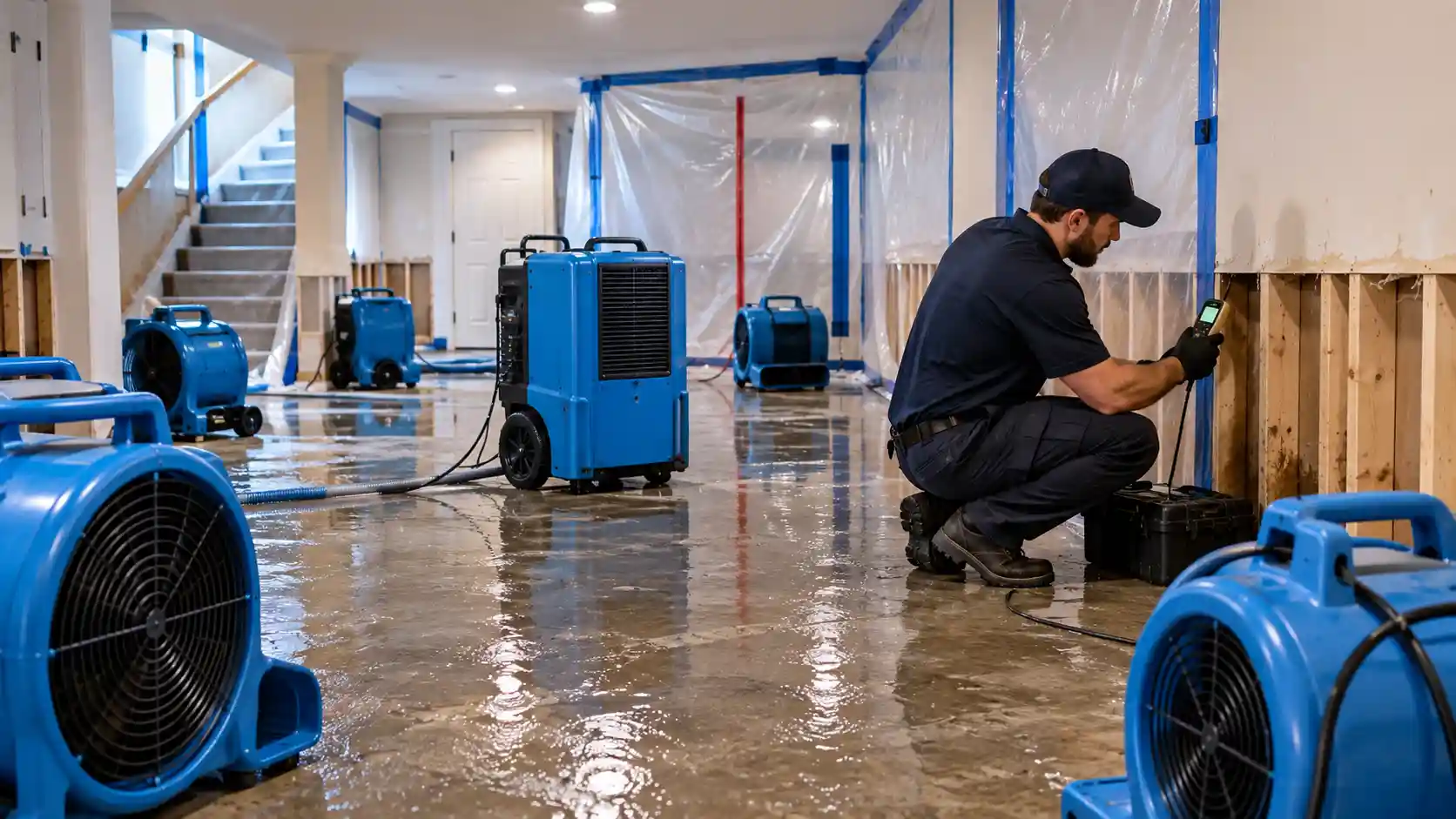
Immediate structural stabilization, containment barriers, and rapid dehumidification to stop water migration and cut total restoration cost.
View Details →
Full recovery from storm surges, groundwater intrusion, and atmospheric river flooding with deep sanitization.
View Details →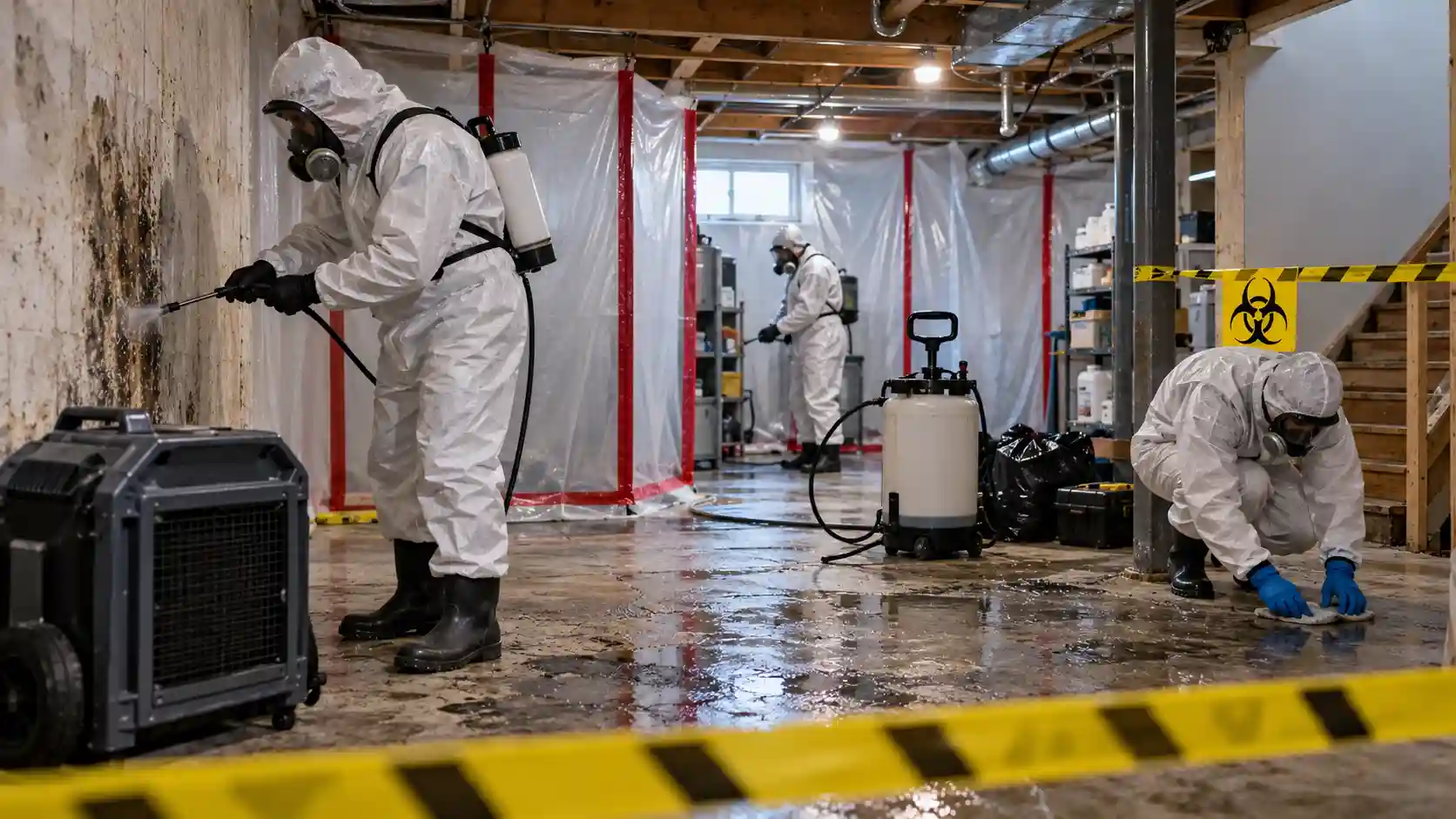
Safe Category 3 black-water removal, biohazard containment, and hospital-grade disinfection to strict EPA standards.
View Details →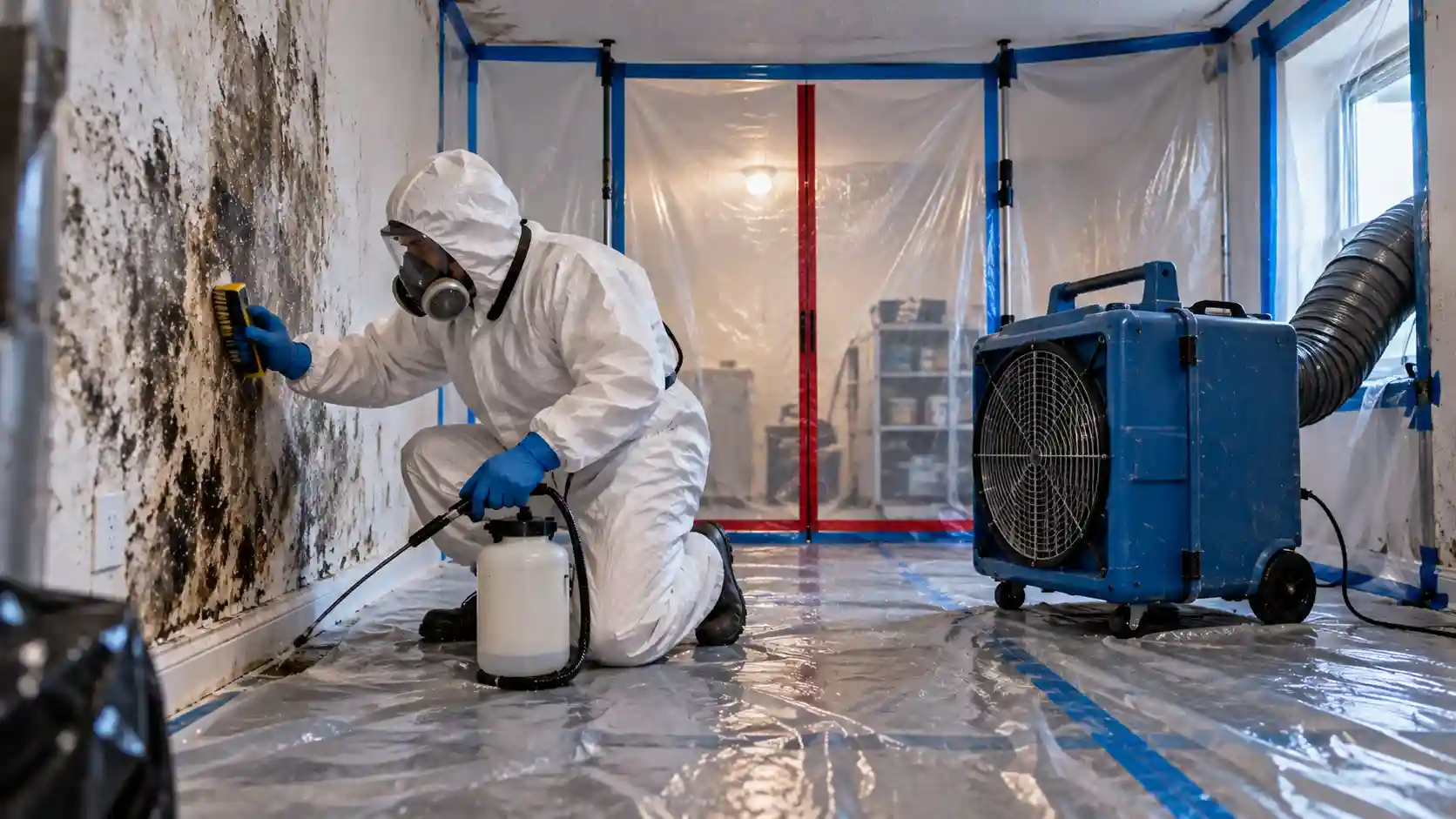
Comprehensive mold inspection, negative-air containment chambers, HEPA filtration, safe removal, and clearance verification.
View Details →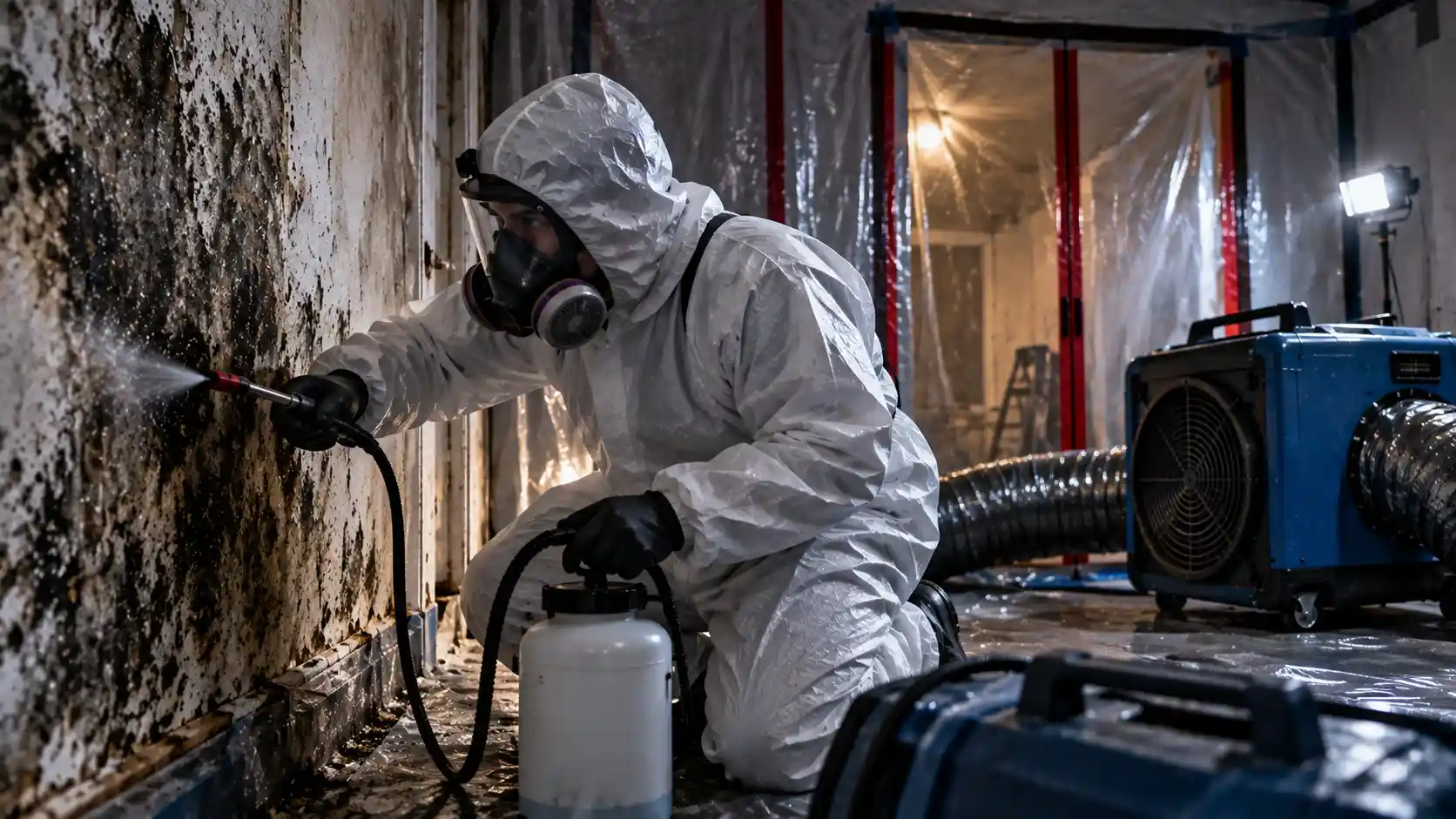
Safe elimination of toxic black mold using strict negative-pressure containment and hospital-grade antimicrobial agents.
View Details →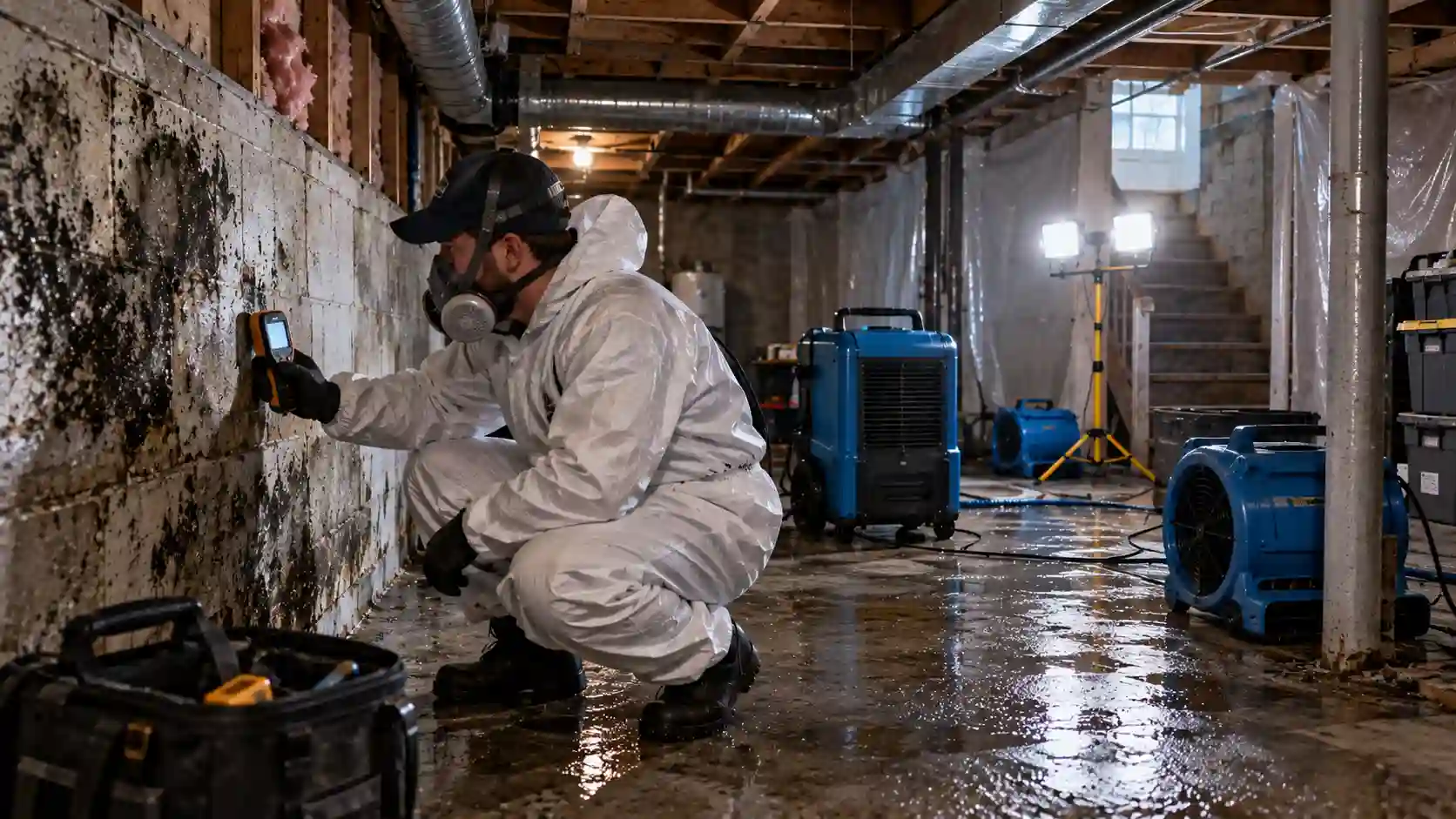
Targeted remediation for Seattle's damp, moisture-prone basements, subfloors, and crawl space foundations.
View Details →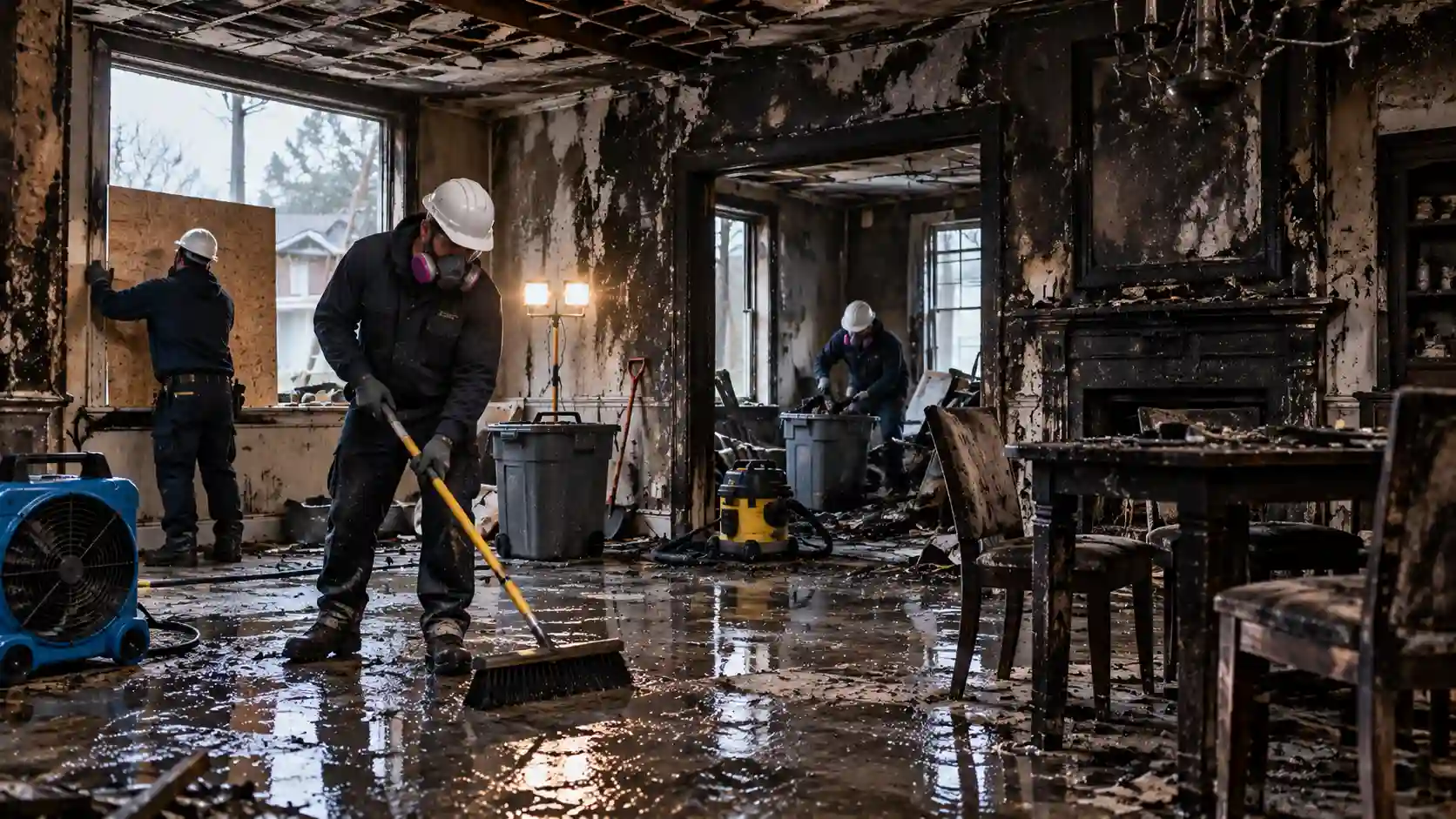
Emergency board-up, structural stabilization, firefighting water extraction, soot cleanup, and complete reconstruction.
View Details →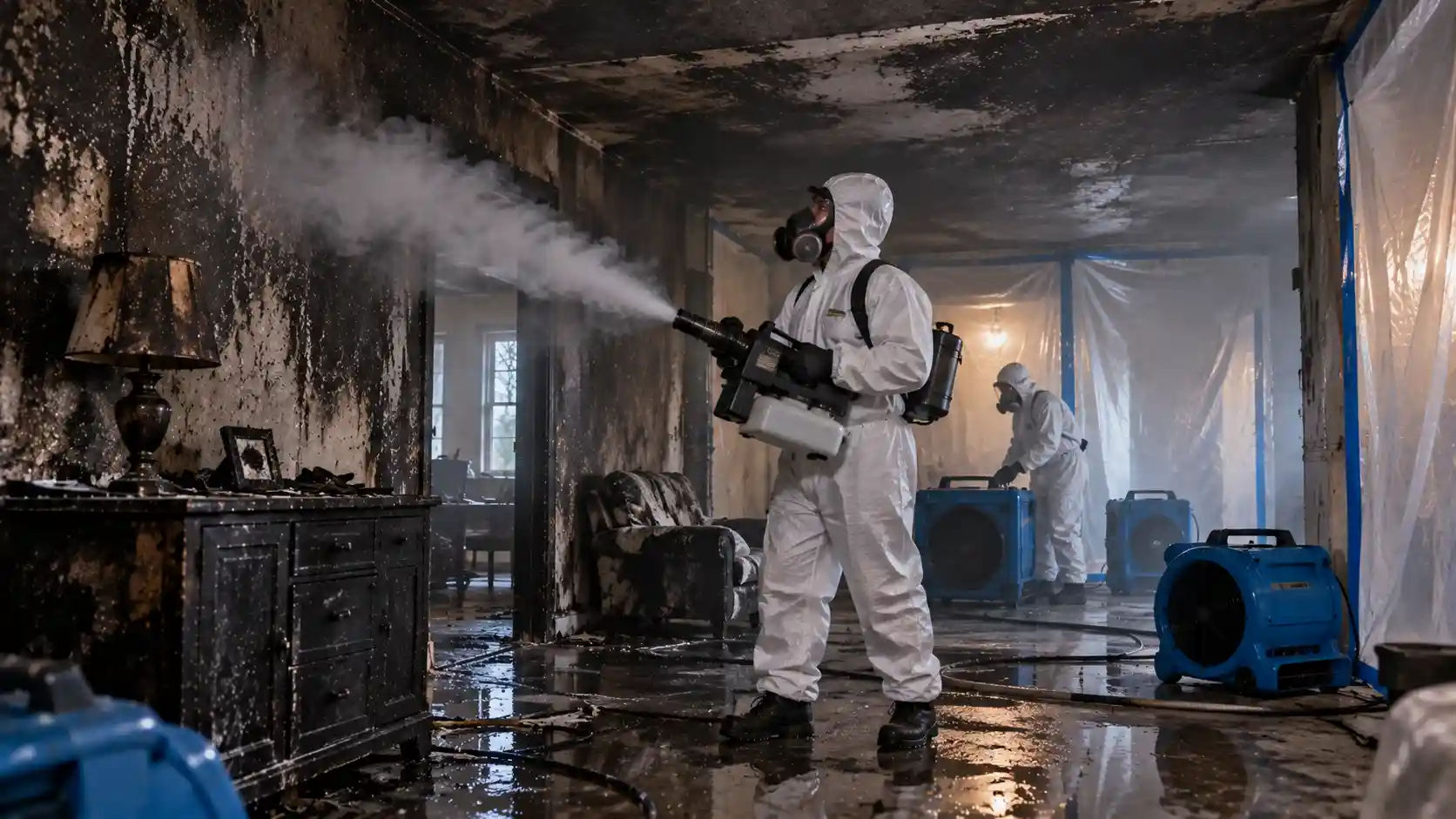
Deep soot removal, ultrasonic content cleaning, and thermal fogging / hydroxyl generator molecular odor neutralization.
View Details →Get a certified crew on-site in 30 minutes.
RapidDry crews respond in 30 minutes across the entire metro. Find your neighborhood below.
30-minute flood damage restoration for Ballard homes & businesses
Flood cleanup & basement flooding across Capitol Hill
Emergency flood restoration in Queen Anne
Storm & basement flood cleanup in West Seattle
Certified flood restoration for Fremont
Flood damage cleanup in Green Lake
Commercial flood restoration downtown
Flood damage restoration in SLU
Basement flood cleanup for Beacon Hill homes
Flood restoration across Columbia City
Certified flood crews in Rainier Valley
Commercial & home flood restoration in Georgetown
30-minute flood response in Leschi
Flood damage restoration for Magnolia
Flood cleanup in the U-District
Certified flood restoration in Wallingford
Don't see your neighborhood? Call (206) 555-0199 — if it's in Seattle, we're on our way.
It's the complete process of safely removing floodwater, decontaminating and drying the property, preventing mold, and repairing the damage — returning your property to a safe, pre-flood condition. Because floodwater is usually contaminated, it's a very different job from a clean-water leak.
Immediately. Floodwater spreads contamination and mold begins within 24 to 48 hours — faster in Seattle's humid climate. RapidDry responds in 30 minutes, 24/7/365.
Yes. Storm runoff, groundwater, and sewer backups carry bacteria, viruses, sewage, and chemicals (Category 2 and 3 water) that cause illness on contact or through the air. Electrical hazards and structural instability add to the risk — which is why DIY flood cleanup is genuinely dangerous.
Category 1 is clean water, Category 2 is gray water with some contaminants, and Category 3 is black water from sewage, groundwater, or storm flooding. Most flooding is Category 2 or 3, and even clean water degrades to contaminated within hours to days.
Usually not for natural/external flooding — storm runoff, rising groundwater, and storm surge typically require a separate NFIP flood insurance policy. However, sudden internal water damage like a burst pipe is generally covered. We document precisely so your claim is filed correctly under the right policy.
Pump out standing water with high-capacity and submersible pumps, remove damaged contents and unsalvageable materials, clean and disinfect every contaminated surface, assess soaked drywall and framing, then dry with commercial dehumidifiers and air movers to verified levels — and fix the moisture source so it doesn't reflood.
Water extraction and drying typically take 3 to 5 days; mold prevention and any needed remediation add time; full reconstruction depends on structural damage. We give a clear timeline after inspection.
Almost always, if not handled fast. Standing water and saturated materials reach mold-growth conditions within 24 to 48 hours in Seattle's climate. Rapid extraction, decontamination, and drying is the best way to prevent it.
It depends on the water category. Clean-water items can often be dried and saved; carpet, padding, and porous materials soaked in contaminated Category 2 or 3 floodwater usually must be removed for safety. We assess and document everything before removal.
Minor jobs run $1,500–$4,000, moderate $4,000–$12,000, and severe contaminated or structural floods $12,000–$30,000+. Contaminated water costs more due to safety protocols. We provide a free written, itemized estimate.
Yes — offices, retail, restaurants, warehouses, multi-family, and healthcare facilities across Seattle, with high-volume extraction and minimal downtime.
Yes — 24/7/365 with a guaranteed 30-minute on-site arrival across the Seattle core, Eastside, North Metro, and South Metro.
Still unsure?
Template section. No new award name is claimed in this section. Real award names still need owner confirmation.
Washington contractor licence as stated on current site pages.
IICRC-certified firm as stated on current site pages.
Certified restoration crews as stated on current site pages.
Template section. Images below are the homepage Before/After sets 1 and 2 only. No new jobs are shown.
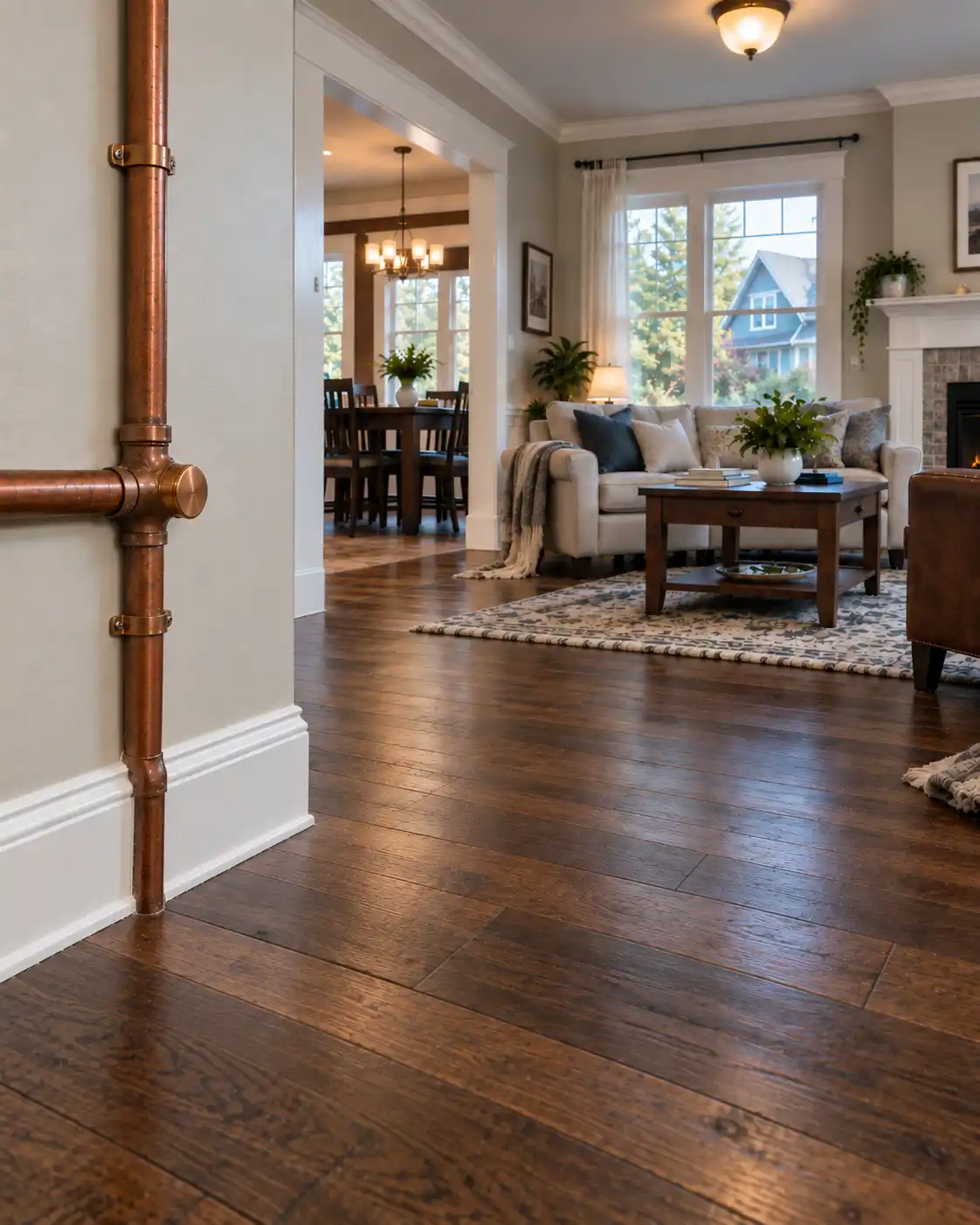
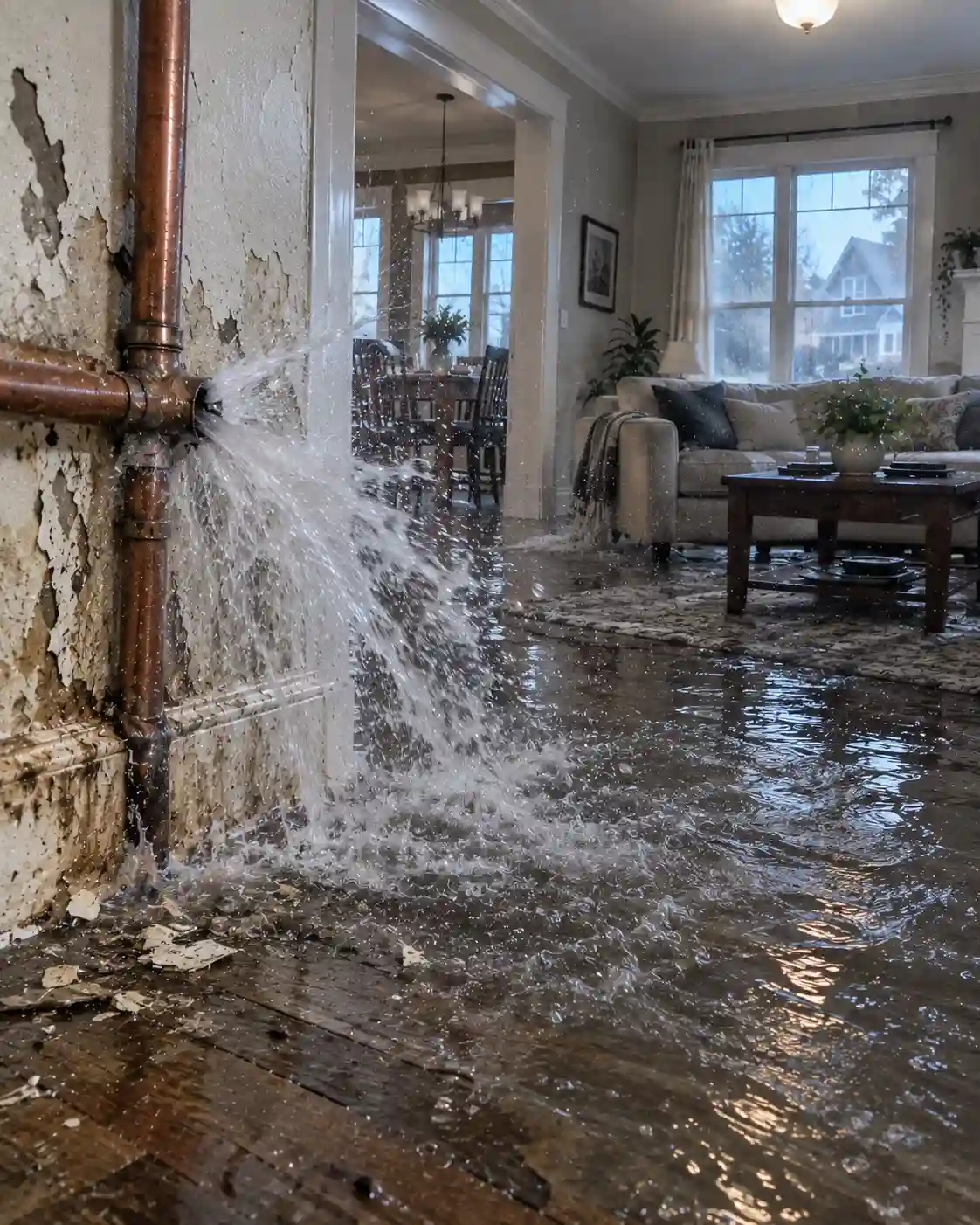
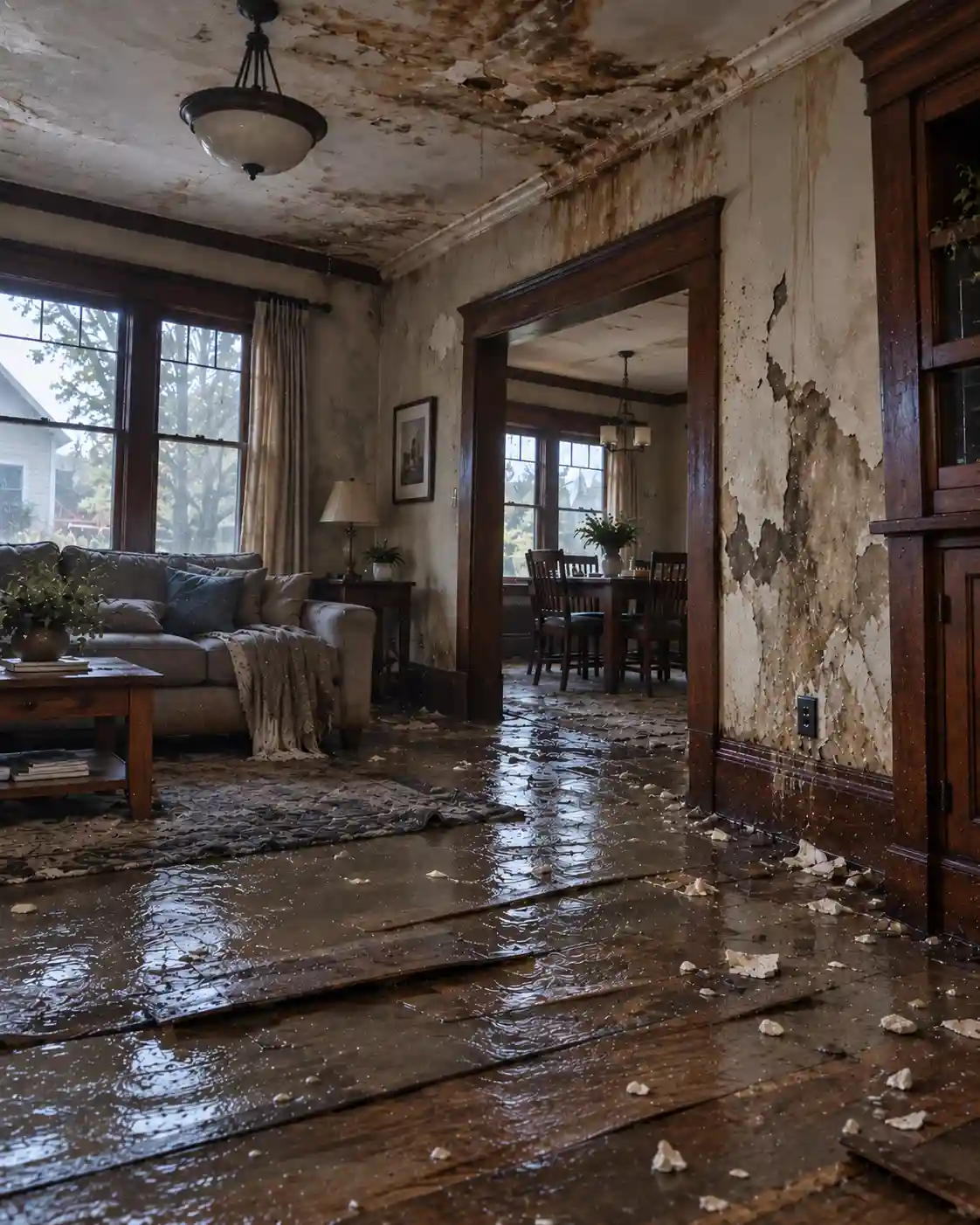
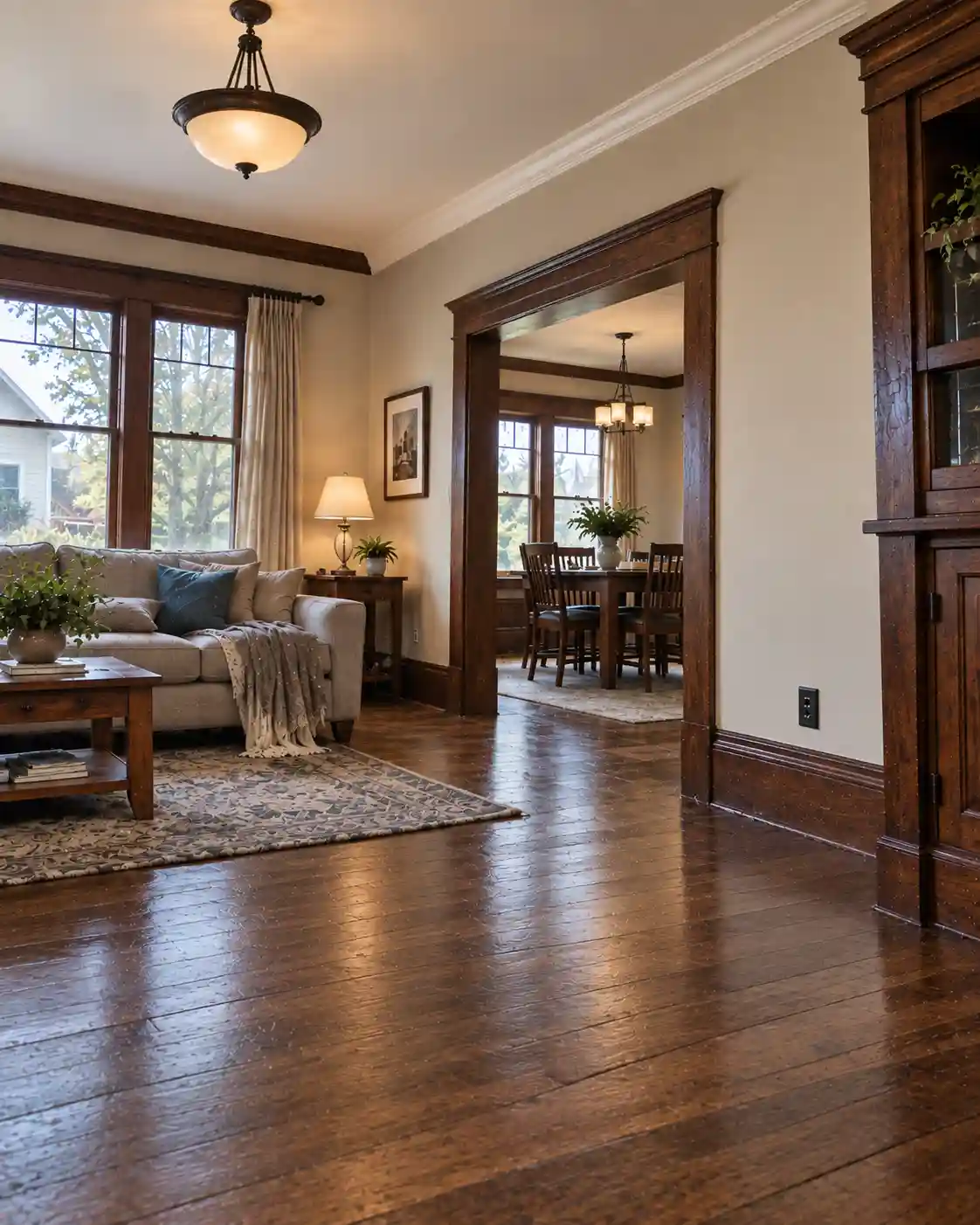
Floodwater is contaminated, spreading, and breeding mold with every hour it sits. Our IICRC-certified crews are standing by 24/7 with a 30-minute response, high-capacity extraction, certified contaminated-water handling, structural drying, and honest insurance guidance. We pump it out, dry it right, and fix what let it in.