💧
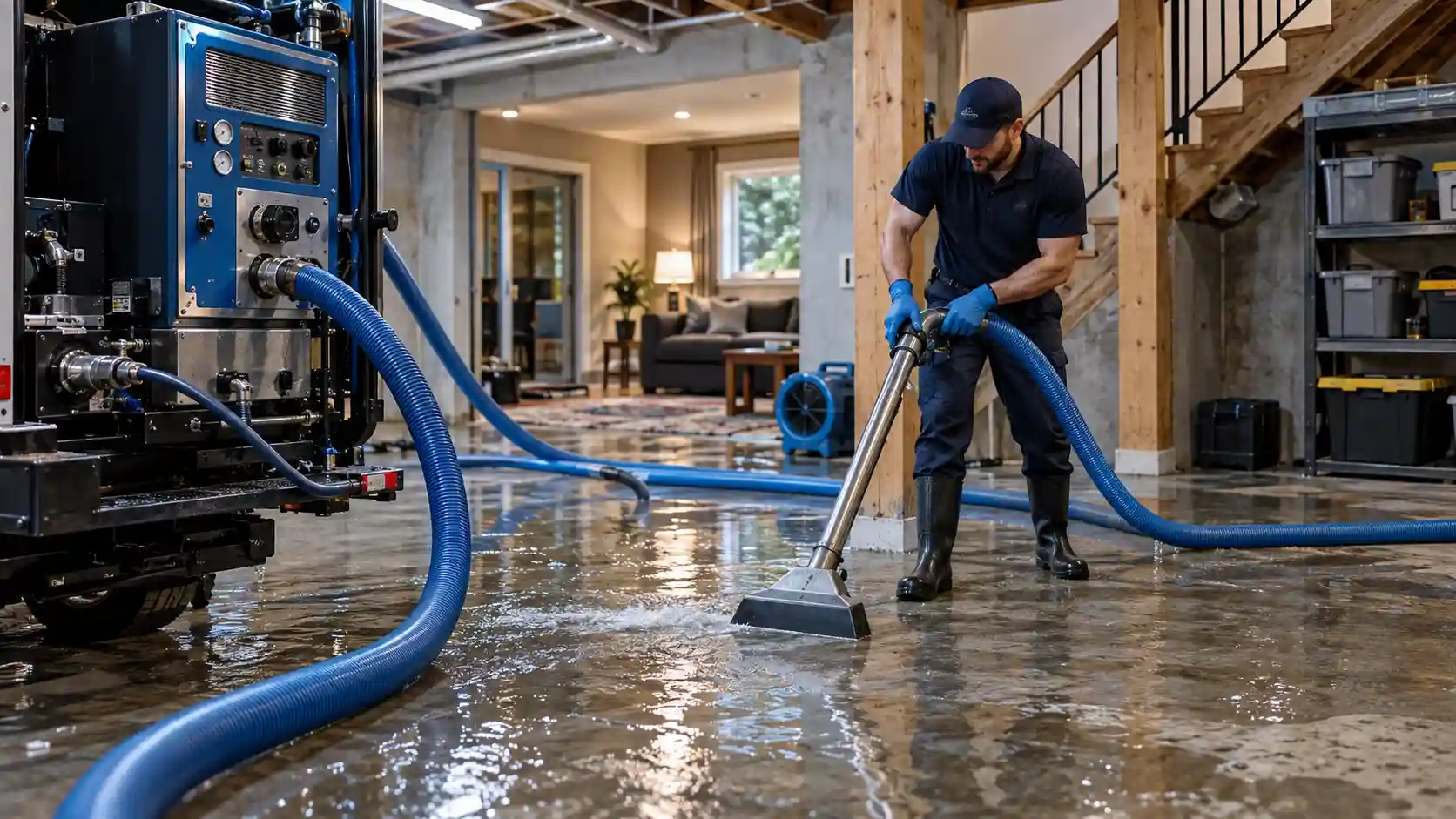
Water Removal & Extraction
High-capacity truck-mounted and portable extraction units clear standing water fast from flooded basements, crawl spaces, and commercial floors.
View Details →Certified Mold Removal, Testing & Inspection · 24/7 Response · Independent Clearance Testing
Mold grows silently — behind drywall, under flooring, in crawl spaces, and across attic sheathing — and in Seattle's damp climate it can colonize within 24 to 48 hours of a leak. By the time you see spots or smell that musty odor, a small moisture problem may already be a full infestation.
RapidDry Restoration Seattle delivers certified mold remediation across Seattle with a 30-minute emergency response, IICRC AMRT-certified technicians, and independent third-party clearance testing — so you get proof the mold is gone from a lab, not from us. We don't just remove the mold; we find and fix the moisture source driving it, so it doesn't come back.
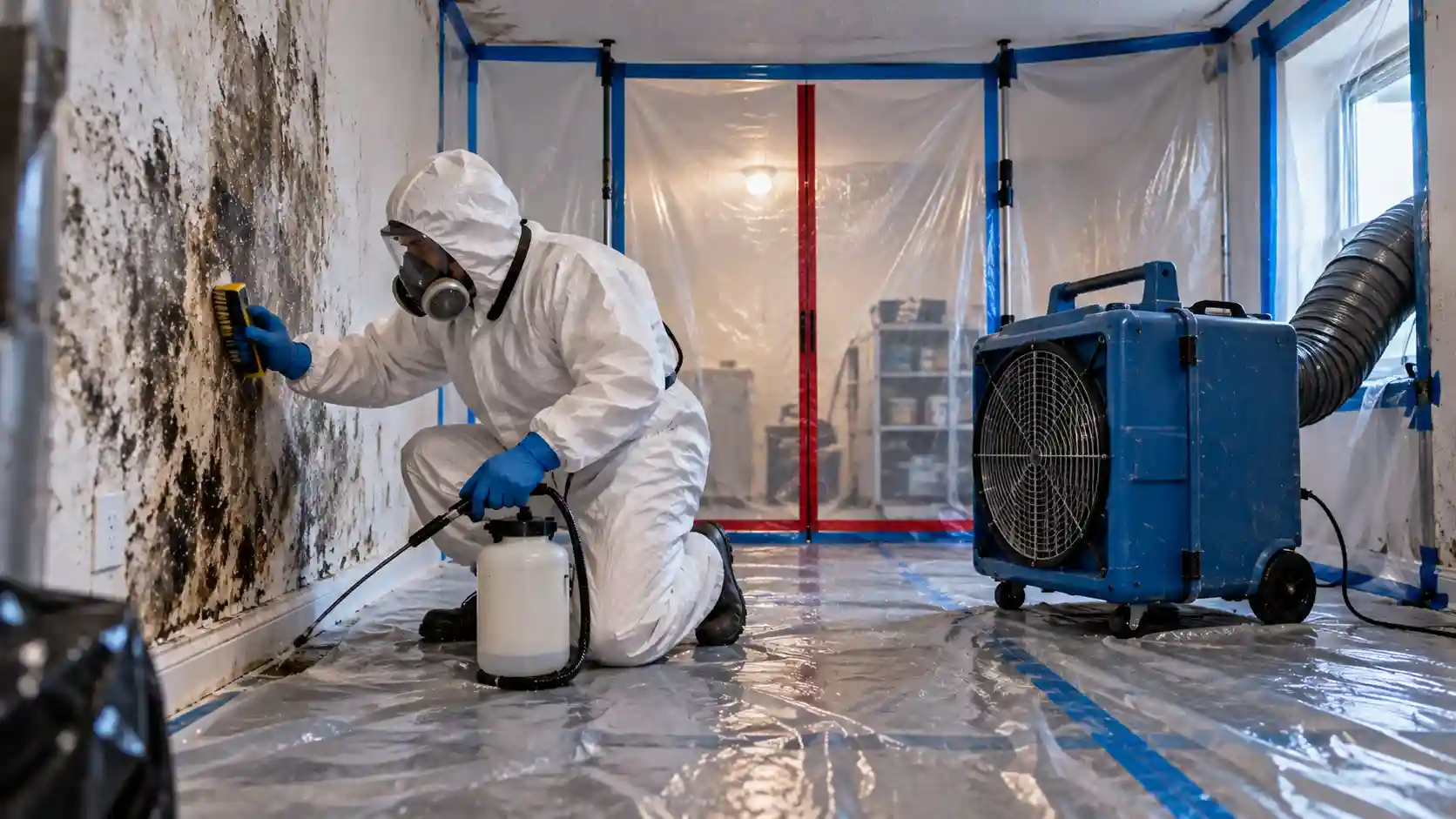
Anyone can wipe mold off a wall. Real remediation means containing the spores, removing the contaminated materials, fixing the moisture source, and verifying the job with independent lab testing — the difference between mold that's gone and mold that's back in three months.
Seattle's 37-plus inches of annual rainfall, dense tree canopy, and Puget Sound humidity keep soil and structures perpetually damp — while overcast skies give materials little chance to dry out. Older homes built before modern building science compound the problem, especially where bathroom exhaust fans were retrofitted to vent into attics instead of through the roof, dumping warm, humid air onto cold sheathing and feeding hidden mold for years.
RapidDry's AMRT-certified crews respond in 30 minutes, 24/7/365, following IICRC S520 remediation standards. We arrive with moisture meters, thermal imaging, HEPA air scrubbers, and containment systems ready — and every job ends with independent clearance testing.
Mold remediation is the professional process of safely removing mold, containing its spores, and correcting the underlying moisture problem that caused it. It goes far beyond surface cleaning — it addresses both the visible infestation and the hidden root cause.
People search this constantly, and the distinction matters. Mold removal is the physical act of taking mold out. Mold remediation is the complete, systematic process — inspection, testing, containment, removal, antimicrobial treatment, moisture-source repair, and clearance verification. Remediation is what actually keeps mold from returning.
Wiping or painting over mold doesn't work. Mold reproduces through microscopic spores, and disturbing a colony without containment releases millions of them into the air — spreading contamination through your home. Without identifying and correcting the moisture source and removing every contaminated material, the mold simply grows back. That's why RapidDry treats the cause, not just the symptom.
Mold is usually well-established before homeowners notice it. Because it thrives in hidden, moisture-rich spaces, it can grow undetected for weeks or months. Watch for these warning signs.
Persistent musty or earthy smell — often the earliest and most reliable indicator of hidden mold
Visible growth — black spots, white fuzzy patches, or greenish-yellow staining on walls, ceilings, grout, and wood framing
Recent water damage or flooding — untreated moisture colonizes within 24–48 hours
Bubbling paint, peeling wallpaper, or warped drywall — signs of trapped moisture behind surfaces
Dark ceiling stains — often roof leaks or attic condensation, common in Pacific Northwest homes
High indoor humidity — levels above 60% promote mold, especially in poorly ventilated spaces
According to the Institute of Medicine, dampness and mold exposure are linked to coughing, allergy flare-ups, upper respiratory symptoms, and asthma. If anyone in your home has recurring congestion, headaches, or unexplained fatigue that improves when they leave the house, hidden mold may be the cause.
⚠️ Don't disturb visible mold yourself. Scrubbing or sanding without containment releases millions of spores and spreads the contamination throughout your home.
Mold isn't just a property problem — it's a health one. According to the Institute of Medicine, indoor dampness and mold are linked to a range of respiratory and allergic symptoms, and prolonged exposure carries real risk for sensitive individuals.
Common symptoms of mold exposure include:
Coughing, sneezing, and nasal congestion
Upper respiratory irritation and worsened asthma
Allergy flare-ups, watery or burning eyes
Skin rashes, chronic headaches, and fatigue
Sinus problems that linger in damp indoor air
Mold affects everyone, but some are far more vulnerable: children, the elderly, pregnant women, and anyone with asthma, allergies, respiratory conditions, or a weakened immune system. For these groups, prompt professional remediation isn't optional — it's a health priority.
In Seattle's damp climate, mold doesn't wait — and ignoring it costs far more than acting fast. Here's what delay leads to.
Mold colonizes within 24–48 hours and keeps spreading as long as the moisture source remains — faster here than in drier climates, thanks to Seattle's persistent humidity and limited natural drying.
Mold feeds on wood, drywall, and flooring, weakening framing, subfloor, and building materials over time — a serious concern in Seattle's older homes exposed to long moisture cycles.
Airborne spores circulate through your HVAC system and living spaces, degrading the air your family breathes and triggering the health symptoms above.
Visible mold or a documented history of it can drop your property's value and scare off buyers in Seattle's competitive market — and complicate disclosures at sale.
Trapped moisture leaves musty odors that permeate the whole property and linger in Seattle's damp environment long after surfaces look clean.
Mold needs three things: moisture, organic material, and warmth. In Seattle, the first one is almost always the culprit — and identifying the real source is what separates lasting remediation from a temporary fix.
Roof leaks, plumbing failures, burst pipes, appliance leaks, and basement flooding leave behind the trapped moisture mold needs. Undried water damage is the number-one driver of mold in Seattle homes.
Fall-through-spring rains, atmospheric river events, and Puget Sound humidity keep materials damp and indoor levels above the 60% mold threshold — especially in homes without active moisture control.
The Seattle classic: bathroom exhaust fans vented into the attic instead of through the roof, dumping humid air onto cold sheathing. Add poor crawl space airflow, failed vapor barriers, condensation on cold surfaces, and inadequate foundation drainage, and mold has everything it needs.
Because moisture is the root, every RapidDry project identifies and corrects the source — not just the mold. Mold that regrows is almost always mold whose moisture source was left running.
From first inspection to independent clearance testing, RapidDry handles every phase of mold recovery under one certified roof.
Thermal imaging, moisture meters, and borescopes locate visible and hidden mold, and identify the moisture source driving it.
Air spore-trap sampling and surface swab/tape-lift testing map contamination and confirm the species — with clear lab reporting.
Poly-sheeting barriers and negative-air pressure isolate the work area, stopping spores from spreading to clean rooms.
Industrial HEPA air scrubbers capture airborne spores while contaminated materials are safely removed and disposed of to EPA/IICRC standards.
EPA-registered antimicrobial agents and HEPA vacuuming eliminate residual mold on salvageable surfaces and inhibit regrowth.
Sealant/encapsulant coatings lock down treated surfaces where removal isn't feasible, preventing future spore release.
Air movers and LGR dehumidifiers dry affected materials, and we correct the leak, ventilation, or drainage fault — including exhaust-fan vent correction — so it doesn't return.
A third-party lab tests air and surface samples after remediation. Results go directly to you — we don't mark our own homework.
Mold shows up in specific, predictable places across Seattle homes — each with its own moisture source and its own fix. RapidDry remediates them all.
Seattle's most common mold problem. Bathroom exhaust fans vented into the attic, roof leaks, and poor ventilation dump humid air onto cold sheathing — feeding mold that grows unseen for years. We remediate the mold and redirect the fan vent through the roof so it doesn't return.
Ground moisture, failed vapor barriers, and inadequate airflow make Seattle crawl spaces a mold hotspot. We remove contamination, correct the vapor barrier, and control the ground moisture at the source.
Foundation moisture intrusion, hydrostatic pressure, and Seattle's damp soil drive basement mold. We contain, remove, dry, and address the drainage or seepage feeding it.
Chronic humidity, inadequate exhaust ventilation, and condensation around windows create persistent surface mold. We remove it and correct the ventilation so it stops coming back.
Toxic black mold (Stachybotrys) demands full containment, negative air, HEPA scrubbing, and PPE. Our AMRT-certified crews handle it safely and verify removal with independent clearance testing.
Not all mold is the same. Identifying the species guides the safety protocol and remediation plan — one reason professional testing matters before any work begins.
| Mold Type | What It Is | Where It Grows in Seattle Homes |
|---|---|---|
| Cladosporium, Penicillium & Aspergillus | Common household molds — the most frequent indoor species | Damp walls, HVAC systems, around windows, water-damaged materials |
| Stachybotrys (Black Mold) | The toxic, hazardous species that demands full containment | Chronically wet drywall, attics, subfloor after prolonged moisture |
| Mildew & Surface Mold | Early-stage surface growth, easiest to address if caught fast | Bathroom tile, grout, shower surrounds, window sills |
⚠️ Black mold (Stachybotrys) is the most toxigenic species — never disturb it. Our AMRT-certified crews remediate it under full containment with HEPA filtration and independent clearance verification.
Your home is where mold hits hardest — in attics, crawl spaces, basements, bathrooms, and behind walls. RapidDry protects Seattle families with certified inspection, safe removal, moisture-source correction, and clearance testing across single-family homes, condos, townhomes, and apartments — treating your home like our own with clean containment and clear communication.
Mold in a commercial property is a liability, a health risk to occupants, and a threat to your operations. RapidDry handles large-loss commercial remediation for offices, retail spaces, restaurants, warehouses, multi-family buildings, and healthcare facilities — with containment that keeps you operating, flexible scheduling to minimize downtime, and full documentation for property managers, tenants, and insurers.
Every RapidDry project follows the same IICRC S520-compliant protocol — no skipped steps, no moisture left behind, and no job called done until an independent lab confirms it.
A certified crew arrives in 30 minutes. We inspect visible and hidden mold using thermal imaging, moisture meters, and borescopes — checking wall cavities, attics, crawl spaces, and HVAC systems.
Air and surface sampling map the contamination and confirm the species, while we identify the exact moisture source — roof leak, plumbing failure, condensation, ground moisture, or a vent fault. Fixing mold without correcting the source guarantees it returns.
Poly-sheeting barriers and negative-air pressure isolate the work zone, preventing spores from migrating to clean areas of your property during removal.
Industrial HEPA air scrubbers run continuously, capturing airborne spores down to 0.3 microns throughout the containment zone.
Contaminated porous materials that can't be decontaminated are removed and disposed of to EPA/IICRC standards. Salvageable surfaces are HEPA-vacuumed, damp-wiped, and treated with EPA-registered antimicrobial agents.
Air movers and LGR dehumidifiers dry affected materials to acceptable moisture levels, and we correct the moisture fault — repairing the leak, redirecting the exhaust vent, or fixing the drainage — so mold can't return.
A third-party lab tests air and surface samples to confirm spore levels have returned to normal background. Results go directly to you — not through us. If levels remain elevated, we re-remediate at no additional charge.
Not everything mold touches has to be torn out. Before work begins, we assess your belongings and building materials — saving what we can and removing only what must go. That honest, contamination-scoped approach is what keeps costs down.
| ✅ Materials We Can Usually Restore | ❌ Materials That Must Be Removed |
|---|---|
| Metals and hard plastics | Damaged carpet and padding |
| Non-upholstered furniture | Soft toys and stuffed animals |
| Tile flooring and shower surrounds | Heavily contaminated drywall |
| Sheetrock with light-to-moderate growth | Saturated insulation |
| Framing, joists, and rafters | Base trim with penetrating growth |
| Electronics and appliances | Area rugs and porous remnants |
| Photographs and documents | Books and magazines with growth |
We scope the job to the actual contamination — not the whole room — so you're never paying to gut a space that only needs targeted remediation.
Before any remediation begins, accurate identification is non-negotiable — you can't fix what you haven't measured. RapidDry delivers certified mold inspection and testing tailored to Seattle homes.
Spore-trap air sampling captures airborne particulates and measures spore concentration per cubic meter, comparing indoor levels against outdoor baselines to reveal hidden contamination.
Sterile swab and tape-lift sampling pinpoints specific infestation zones — drywall seams, attic joists, bathroom caulking — and confirms the exact mold species present.
Buying or selling a Seattle home? Mold testing delivers the transparency that shapes disclosures, negotiations, and closing timelines. After a flood or leak, our team tests affected zones fast — because spores thrive within 24–48 hours.
Our clearance testing goes through an independent third-party lab — the results come straight to you, not filtered through us. It's the difference between trusting a company's word and holding verified proof the mold is gone.
Professional-grade equipment is what separates true remediation from a wipe-down — detecting hidden mold, containing spores, and verifying the space is clean. Capabilities uncertified contractors simply can't offer.
Capture airborne spores down to 0.3 microns and hold the work zone under negative pressure so contamination can't migrate to clean rooms.
Poly-sheeting, zipper doors, and full personal protective equipment keep spores contained and crews safe during removal.
Infrared cameras and calibrated meters locate hidden moisture behind walls and under floors — the source feeding the mold.
EPA-registered antimicrobial agents, HEPA vacuums, and encapsulant coatings eliminate residual mold and lock down treated surfaces against regrowth.
Combined with our IICRC AMRT certification, this equipment lets us find mold others miss, contain it properly, and verify removal with independent testing.
The best remediation is the one you never need. Once we've solved your mold problem, these habits keep it from coming back in Seattle's damp climate.
Keep indoor humidity below 60% — a dehumidifier helps in basements and crawl spaces
Run bathroom, kitchen, and laundry exhaust fans every time (and make sure they vent outside, not into the attic)
Dry any spill, leak, or flooding completely within 24–48 hours
Keep gutters and downspouts clear so water drains away from the foundation
Watch for winter condensation around windows and cold surfaces
Keep large furniture a few inches off exterior walls so air can circulate
Address plumbing leaks and crawl space vapor barriers before they feed mold
Mold remediation cost depends on the size of the affected area, the mold type, how far it's spread, and whether structural repairs or moisture correction are needed. Every RapidDry estimate is written, line-item, and property-specific — the price we quote is the price you pay.
| Cost Factor | Why It Affects Price |
|---|---|
| Size of affected area | Larger contamination requires more containment, labor, and disposal |
| Location | Attics and crawl spaces are harder to access than open rooms |
| Mold type | Toxic black mold demands extra safety measures and PPE |
| Moisture source repair | Fixing the leak, vent, or drainage adds to scope |
| Materials affected | Porous materials often need removal and replacement |
| Scope | Estimated Cost |
|---|---|
| Minor (small area, surface mold) | $500 – $1,500 |
| Moderate (single room, contained) | $1,500 – $4,000 |
| Severe (multi-area, structural, black mold) | $4,000 – $8,000+ |
Coverage varies — many policies cover mold when it results from a sudden, covered event (like a burst pipe), but exclude mold from long-term neglect. We document everything and coordinate directly with your insurer to support your claim.
Anyone can claim to remove mold. Here's why Seattle trusts RapidDry to remediate it right — and prove it.
| Trust Factor | The RapidDry Standard |
|---|---|
| Response Time | Guaranteed 30-minute arrival — fastest in Seattle |
| Certifications | IICRC Certified Firm #684920 — AMRT-trained technicians |
| Verification | Independent third-party clearance testing — results direct to you |
| Root Cause | We fix the moisture source, not just the mold |
| Crews | In-house, fully vetted — never unscreened subcontractors |
| Licensing | WA License #EMERACR821L9 · Bonded & Insured to $2M |
| Insurance | 100% direct billing — we document and advocate for you |
| Reputation | 4.9⭐ (184+ reviews) · BBB A+ · Google Guaranteed · EPA Lead-Safe · RIA |
We don't mark our own homework. Independent clearance testing means you get verified proof the mold is gone — and if levels stay elevated, we re-remediate at no charge.
Real, certified remediation experts — accountable, local, and on every job.
Founder & Master Restoration Architect
IICRC Master Water Restorer (#182049). Mark founded RapidDry in 2012 on one principle: solve the problem at the source, and prove it's solved.
Director of Operations & Insurance Liaison
Xactimate Level 3 Estimator. Sarah coordinates directly with your adjuster — documenting every remediation to support your claim and keep out-of-pocket costs down.
Lead Structural Drying Superintendent
IICRC AMRT & EPA Lead-Safe certified. David leads our mold remediation and microbial crews, ensuring every job meets IICRC S520 standards and passes independent clearance.
From clean-water leaks to Category 3 sewage floods and fire-and-water combined losses — one Seattle crew, every phase of recovery.
High-capacity truck-mounted and portable extraction units clear standing water fast from flooded basements, crawl spaces, and commercial floors.
View Details →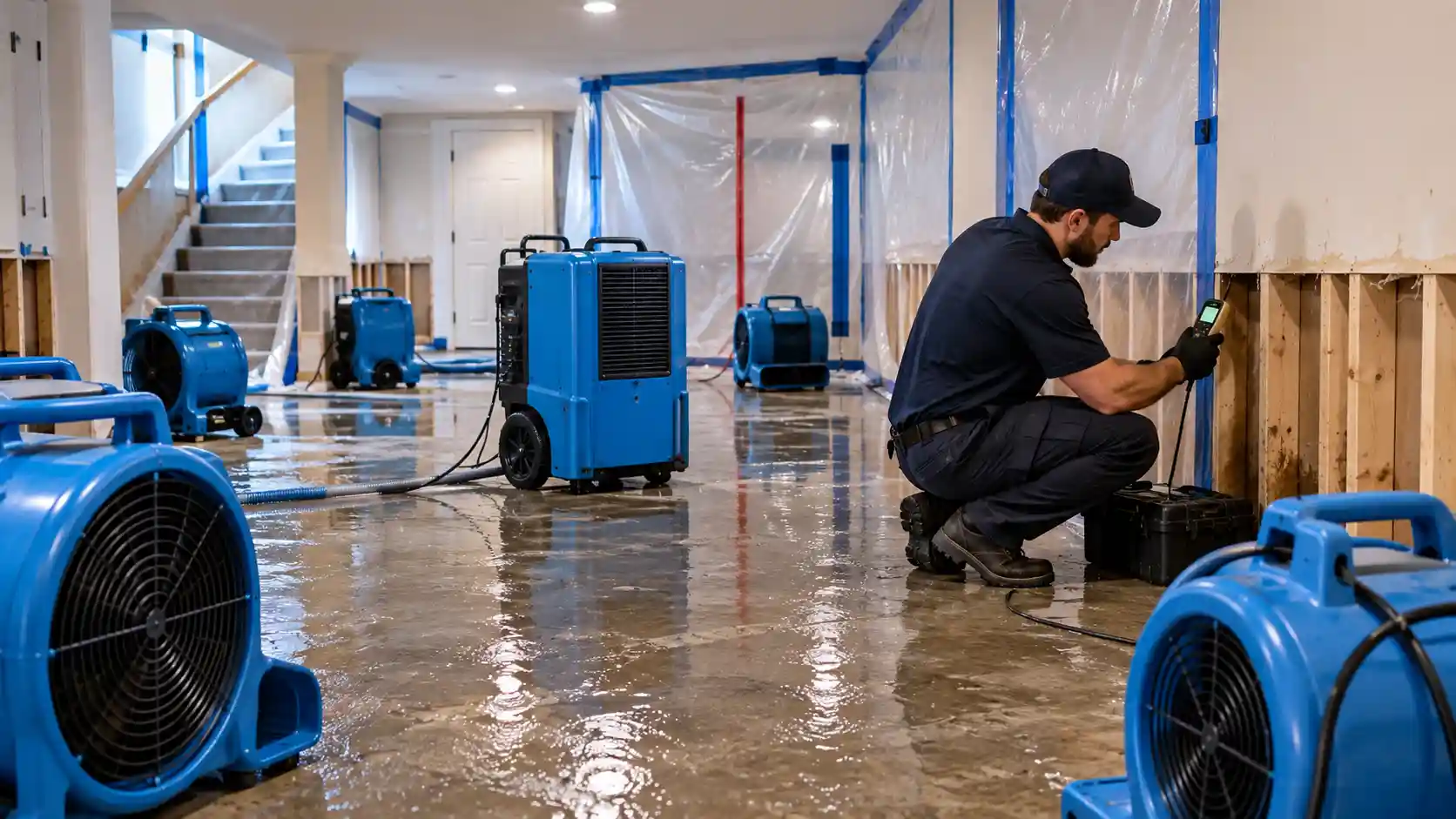
Immediate structural stabilization, containment barriers, and rapid dehumidification to stop water migration and cut total restoration cost.
View Details →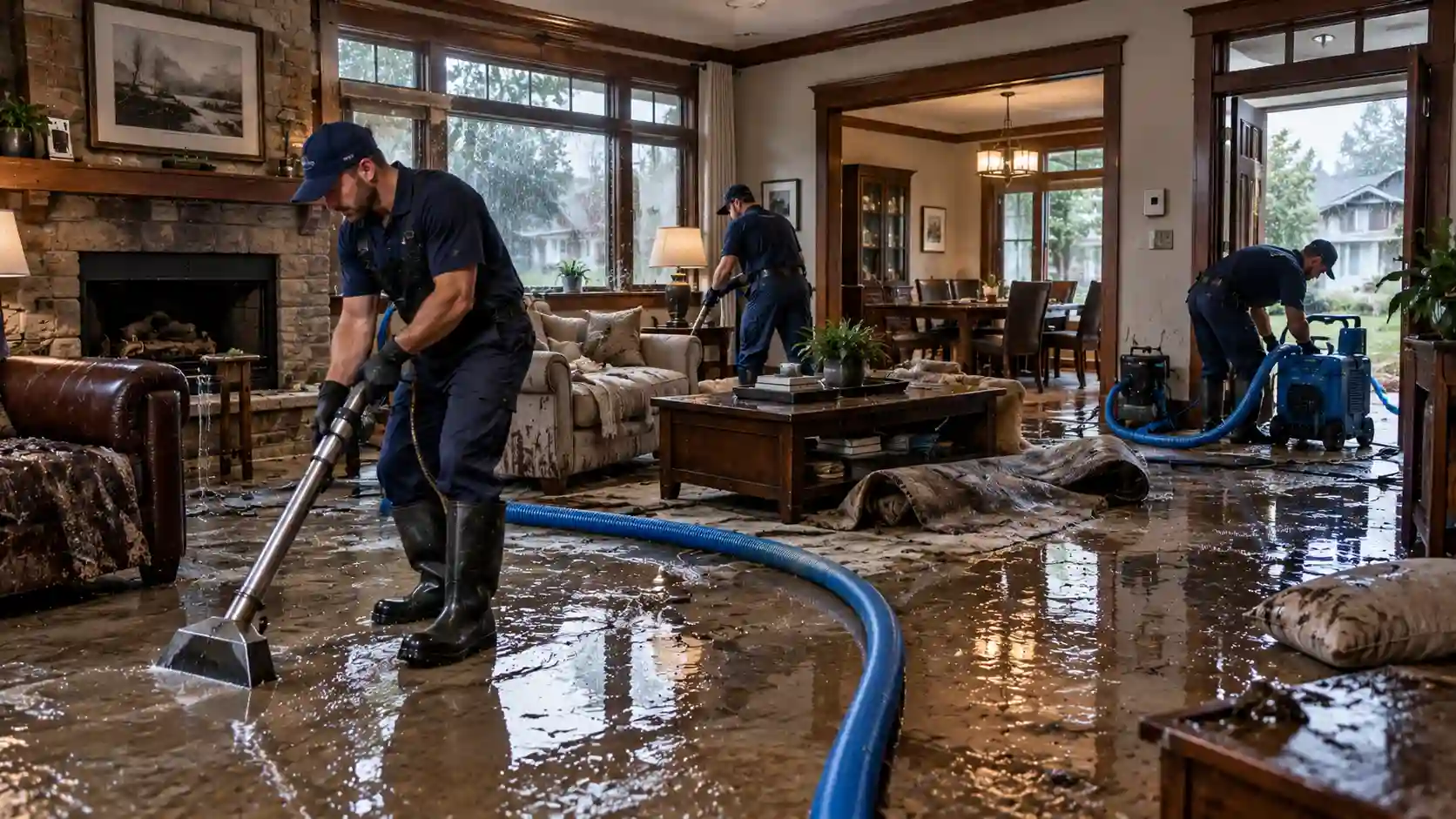
Full recovery from storm surges, groundwater intrusion, and atmospheric river flooding with deep sanitization.
View Details →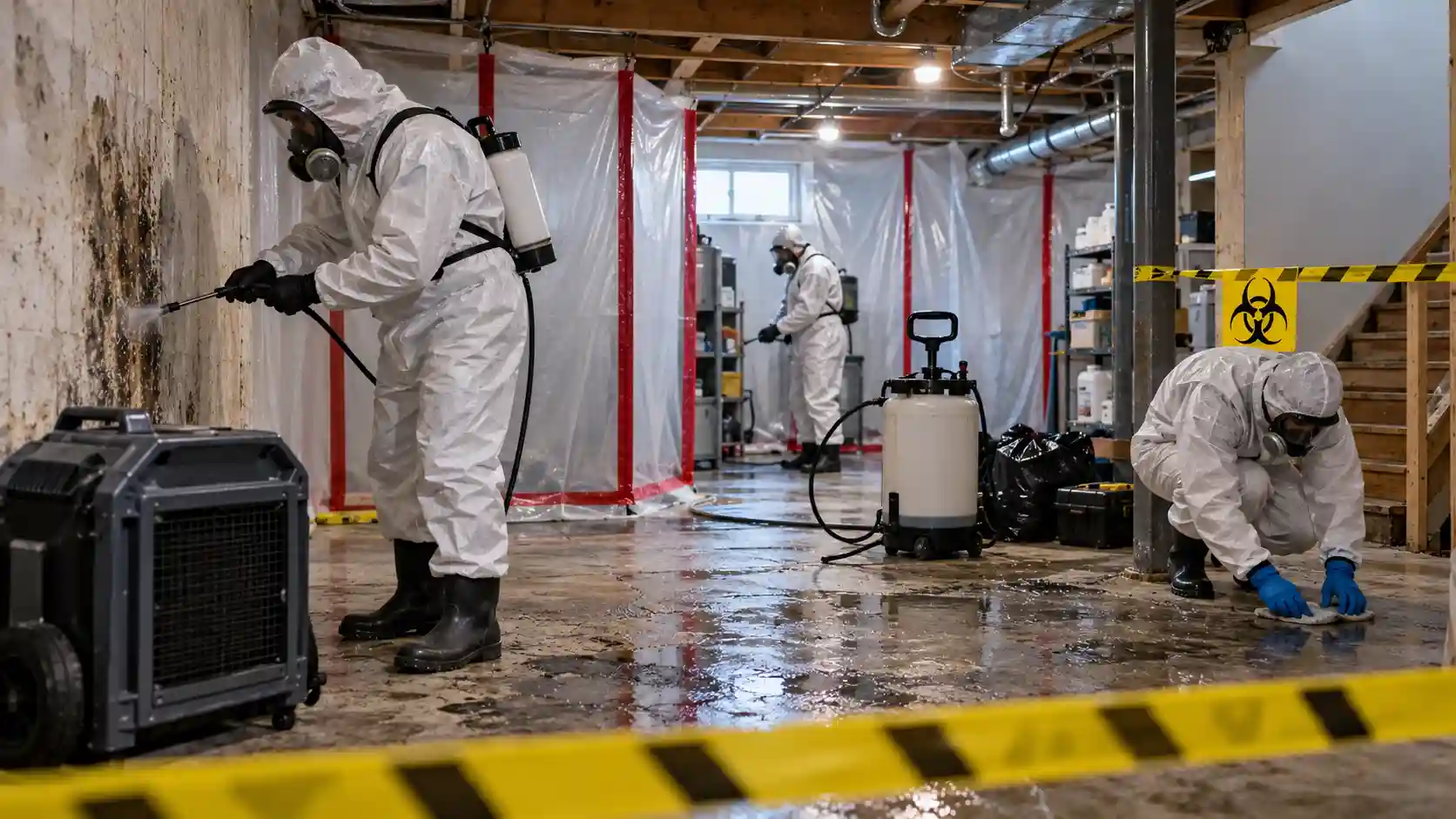
Safe Category 3 black-water removal, biohazard containment, and hospital-grade disinfection to strict EPA standards.
View Details →
Comprehensive mold inspection, negative-air containment chambers, HEPA filtration, safe removal, and clearance verification.
View Details →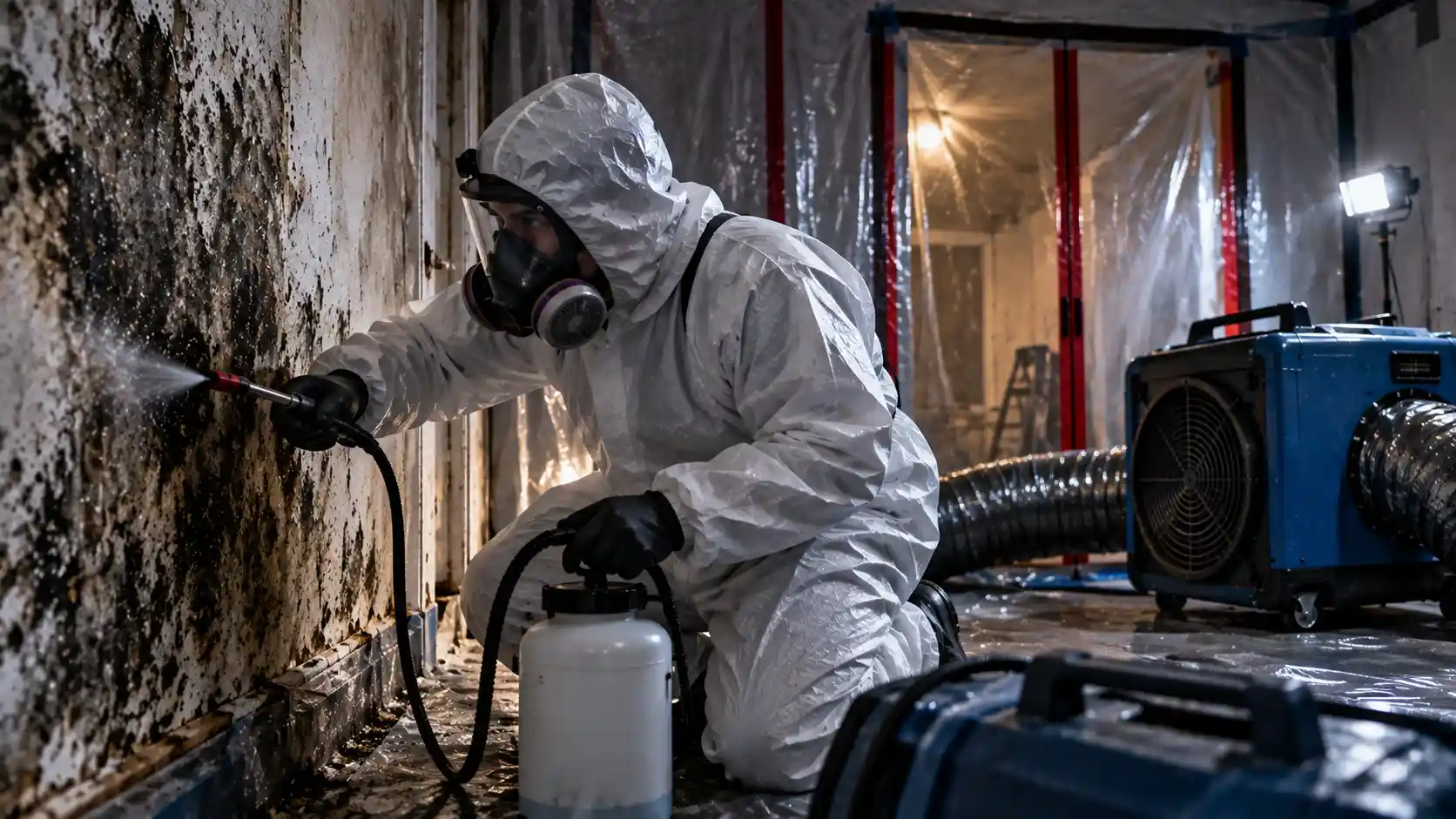
Safe elimination of toxic black mold using strict negative-pressure containment and hospital-grade antimicrobial agents.
View Details →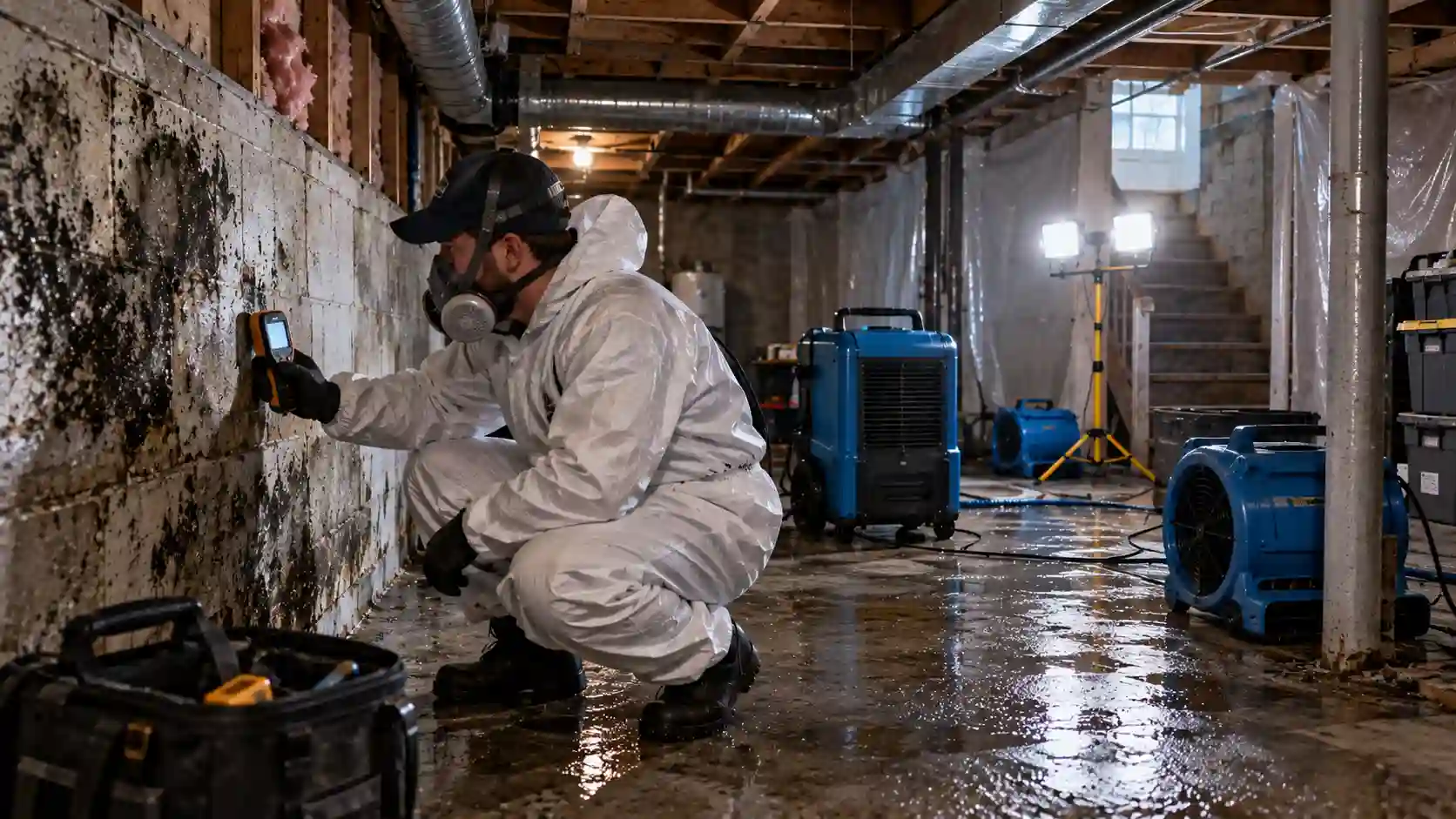
Targeted remediation for Seattle's damp, moisture-prone basements, subfloors, and crawl space foundations.
View Details →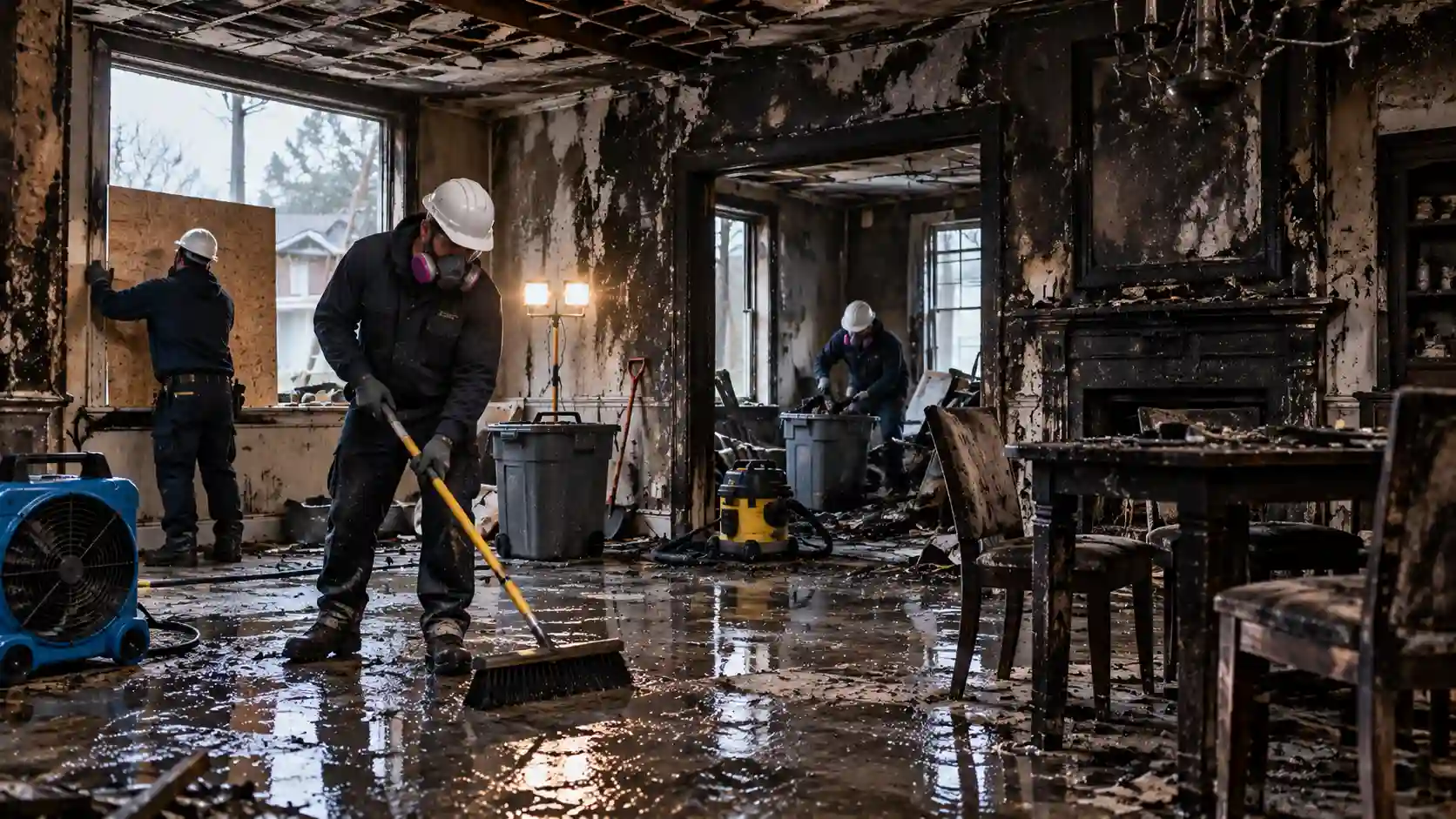
Emergency board-up, structural stabilization, firefighting water extraction, soot cleanup, and complete reconstruction.
View Details →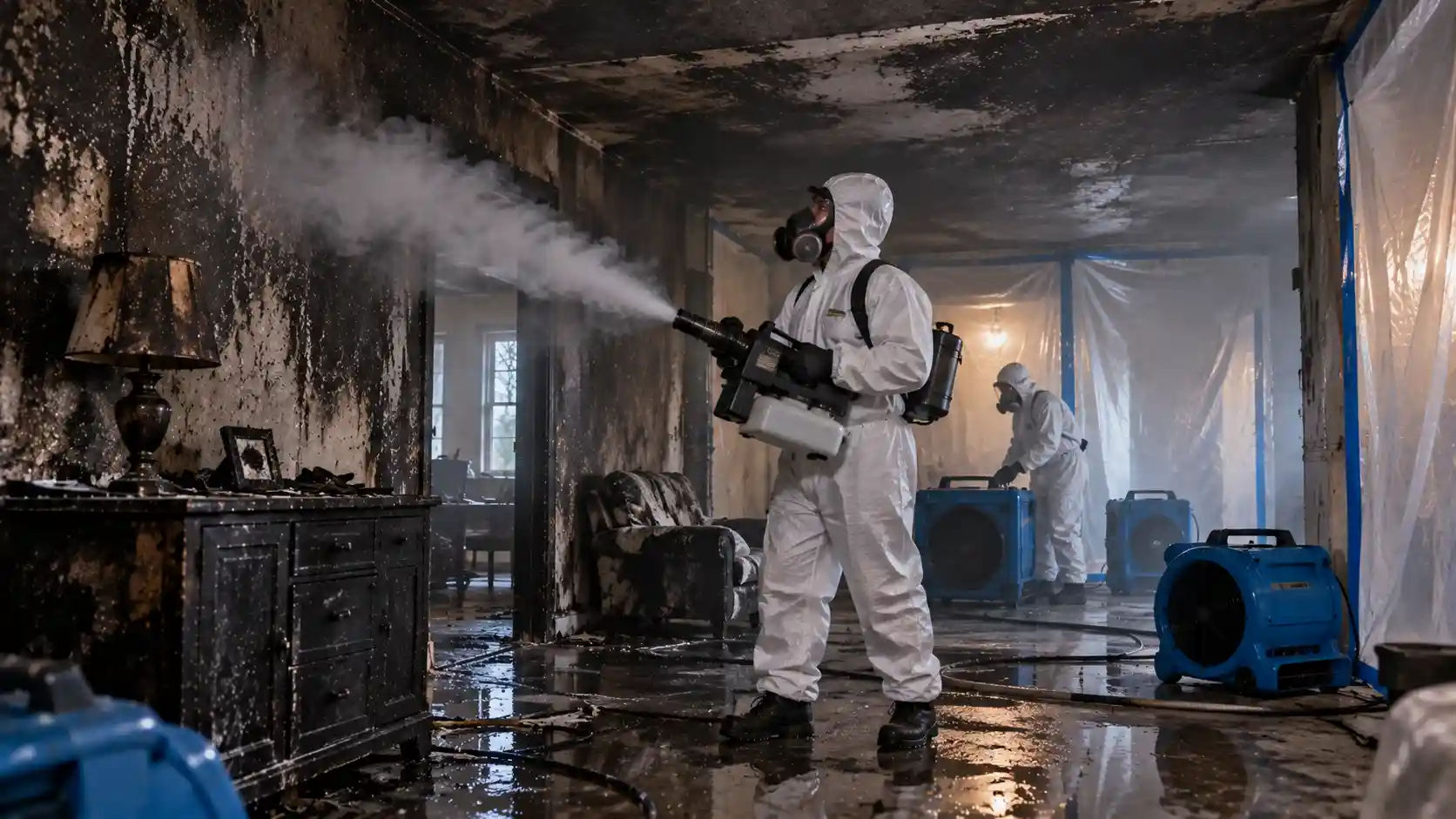
Deep soot removal, ultrasonic content cleaning, and thermal fogging / hydroxyl generator molecular odor neutralization.
View Details →Get a certified crew on-site in 30 minutes.
RapidDry crews respond in 30 minutes across the entire metro. Find your neighborhood below.
Certified mold remediation for Ballard homes & businesses
Mold removal & testing across Capitol Hill
30-minute mold response in Queen Anne
Attic & crawl space mold in West Seattle
Certified mold remediation for Fremont
Mold removal & inspection in Green Lake
Commercial mold remediation downtown
Mold remediation in SLU
Attic mold specialists in Beacon Hill
Mold removal across Columbia City
Certified mold crews in Rainier Valley
Crawl space mold in Georgetown
30-minute mold response in Leschi
Mold remediation for Magnolia homes
Mold removal in the U-District
Certified mold remediation in Wallingford
Don't see your neighborhood? Call (206) 555-0199 — if it's in Seattle, we're on our way.
Mold removal is the physical act of removing visible mold. Remediation is the complete process — inspection, containment, removal, moisture-source correction, and clearance testing — that returns mold to safe background levels and stops it returning. Removal is one step inside remediation.
Mold can begin colonizing within 24 to 48 hours of moisture exposure — faster in Seattle's humid climate — and keeps spreading as long as the moisture source remains. Fast action is critical.
Yes. Winter condensation, heated indoor air meeting cold surfaces, and reduced ventilation all feed mold. Seattle's year-round dampness means mold isn't just a summer problem.
Most residential projects take 1 to 5 days depending on the size of the affected area, the mold type, and whether moisture-source repairs or structural drying are needed. We confirm completion with independent clearance testing before calling it done.
Coverage varies. Many policies cover mold resulting from a sudden, covered event like a burst pipe, but exclude mold from long-term neglect. We document everything and coordinate with your insurer to support your claim.
You can clean very small surface spots, but the moisture source will keep feeding regrowth. Larger or hidden mold needs professional containment — disturbing it releases millions of spores. Professional remediation addresses both the mold and its root cause.
Minor surface mold typically runs $500–$1,500, while severe or black mold jobs can reach $8,000+. Cost depends on area size, location, mold type, and moisture repair. We provide a free written, line-item estimate.
Yes — every remediation is verified by an independent third-party lab, with results sent directly to you. If spore levels remain elevated, we re-remediate at no additional charge. We don't mark our own homework.
A persistent musty odor, visible black or fuzzy growth, water stains, warped drywall, bubbling paint, high indoor humidity, and recurring respiratory or allergy symptoms are the most common signs.
Black mold (Stachybotrys) is the most toxigenic species and can trigger serious respiratory and allergic reactions, especially in children, the elderly, and sensitive individuals. Never disturb it — it requires full containment and professional removal.
Yes. These are Seattle's most common mold locations. We remediate all of them — and correct the underlying cause, whether it's a bathroom fan venting into the attic, a failed crawl space vapor barrier, or basement moisture intrusion.
Yes — RapidDry runs 24/7/365 with a guaranteed 30-minute on-site response across the Seattle core, Eastside, North Metro, and South Metro.
Still unsure?
Template section. No new award name is claimed in this section. Real award names still need owner confirmation.
Washington contractor licence as stated on current site pages.
IICRC-certified firm as stated on current site pages.
Certified restoration crews as stated on current site pages.
Template section. Images below are the homepage Before/After sets 1 and 2 only. No new jobs are shown.
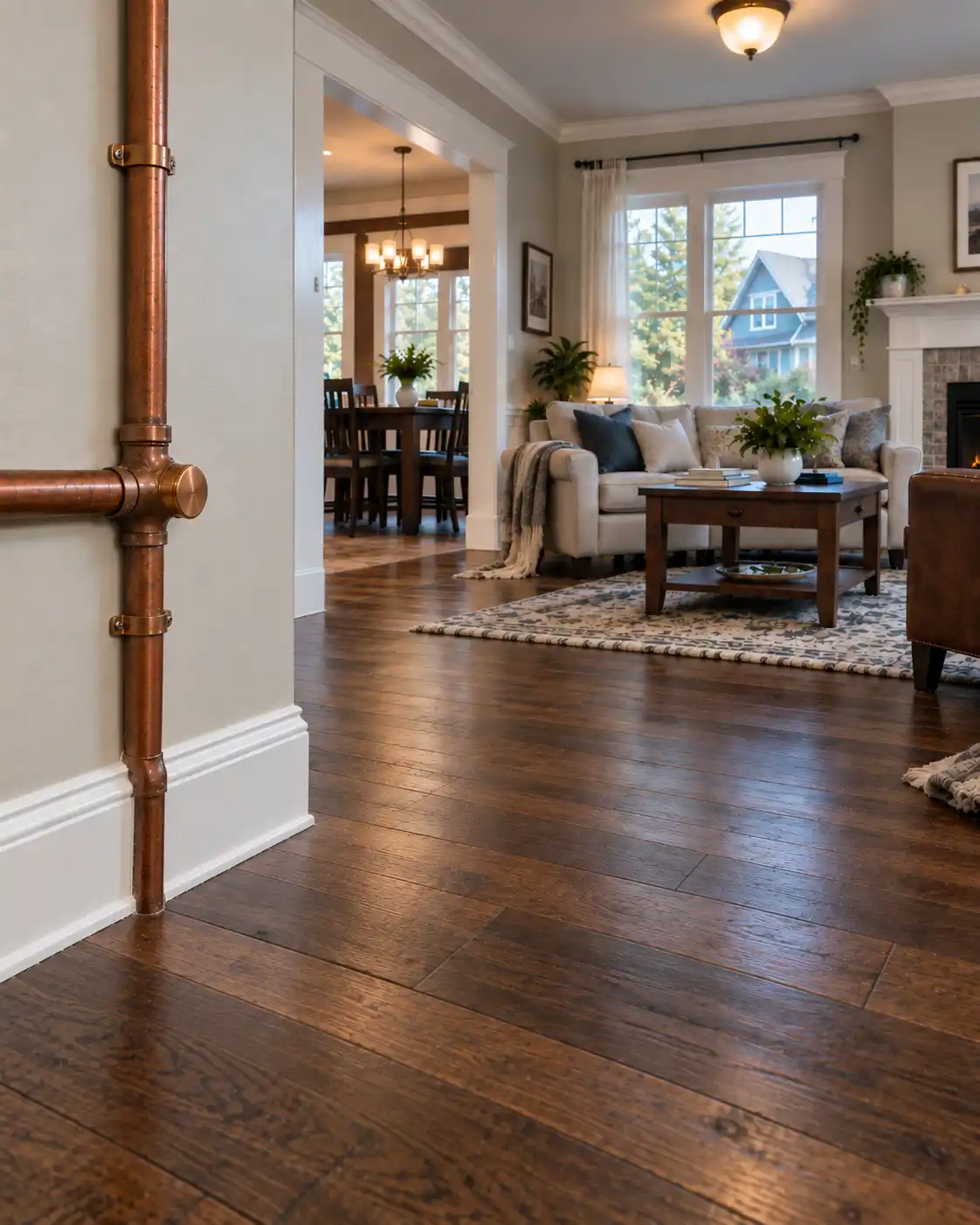
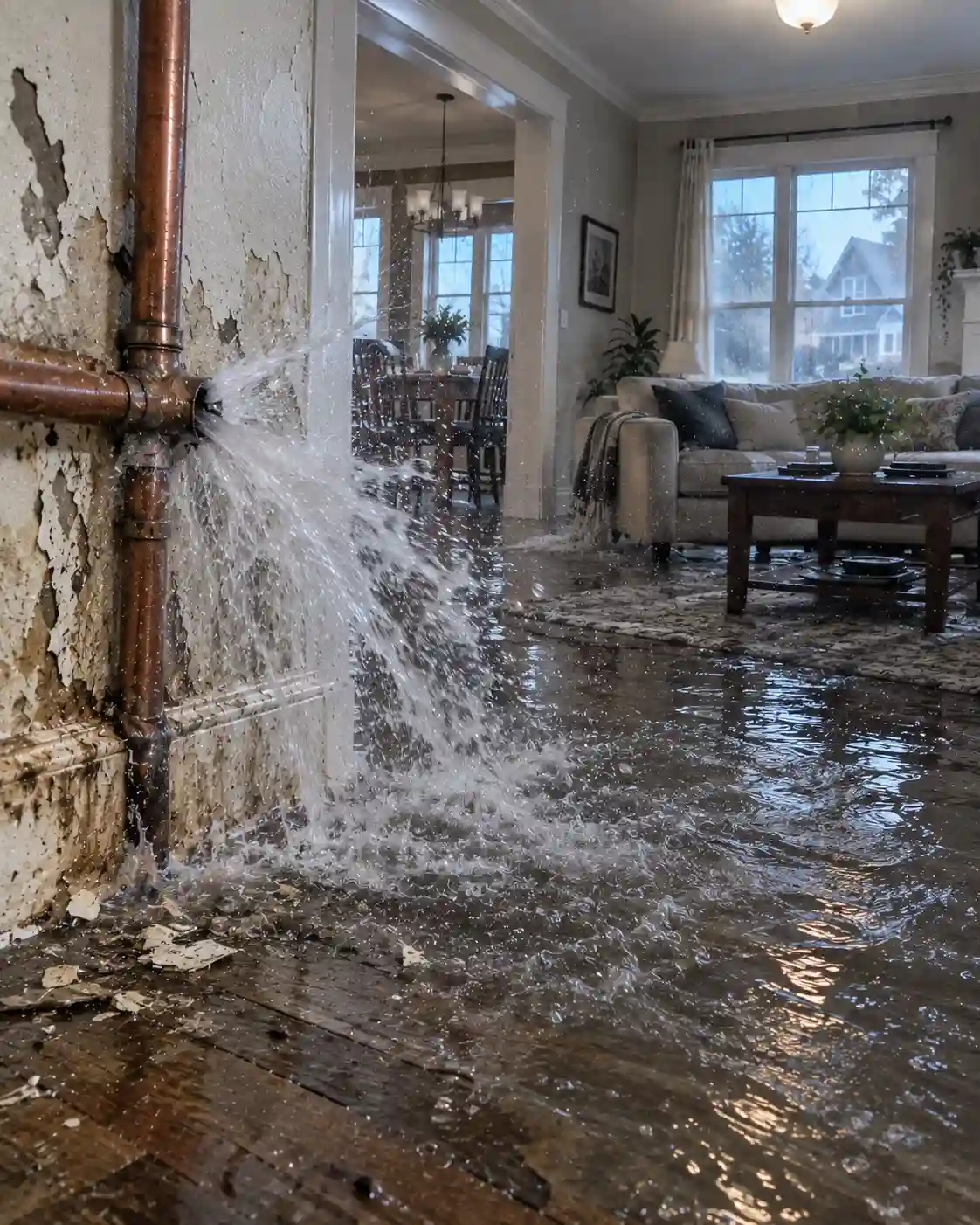
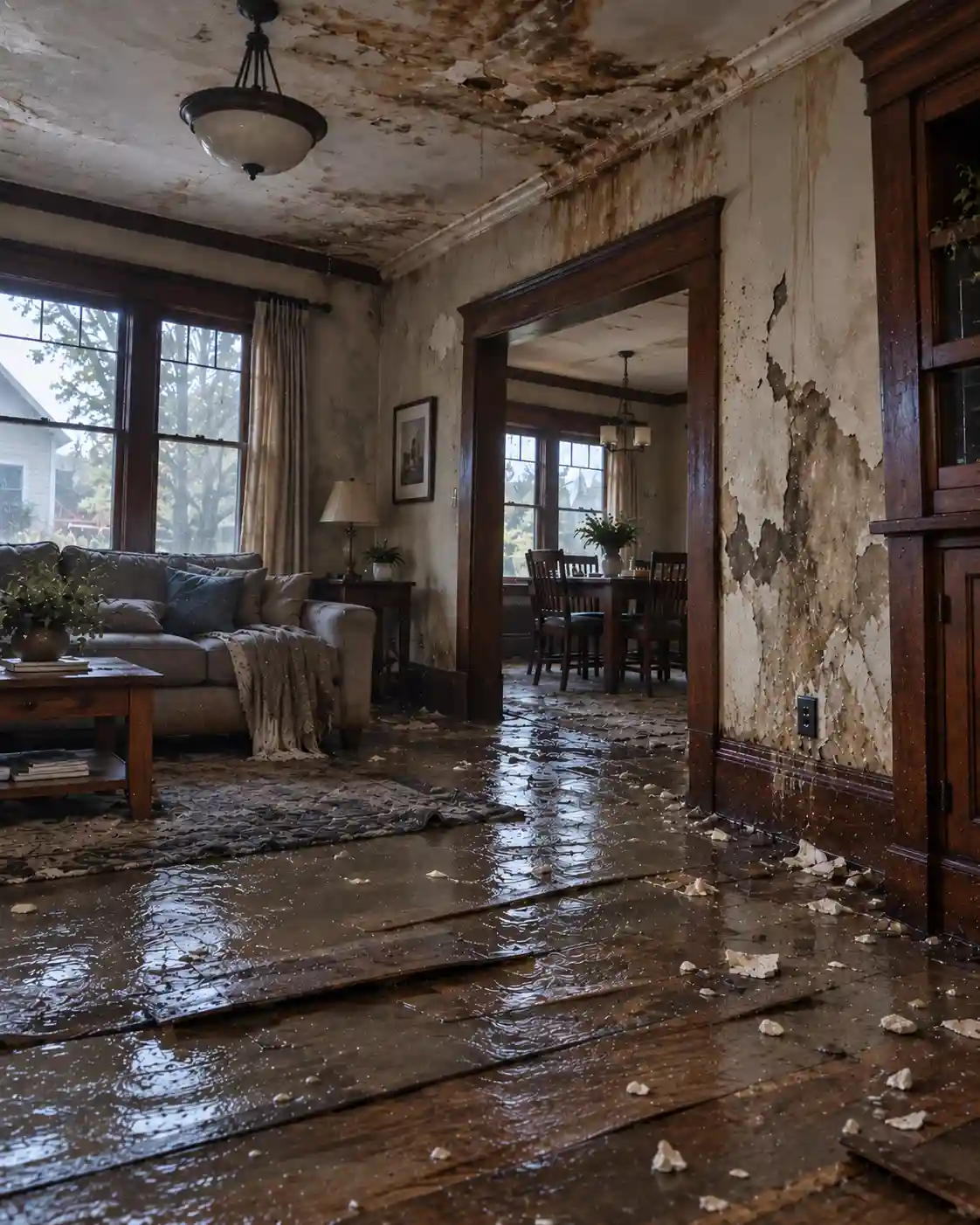
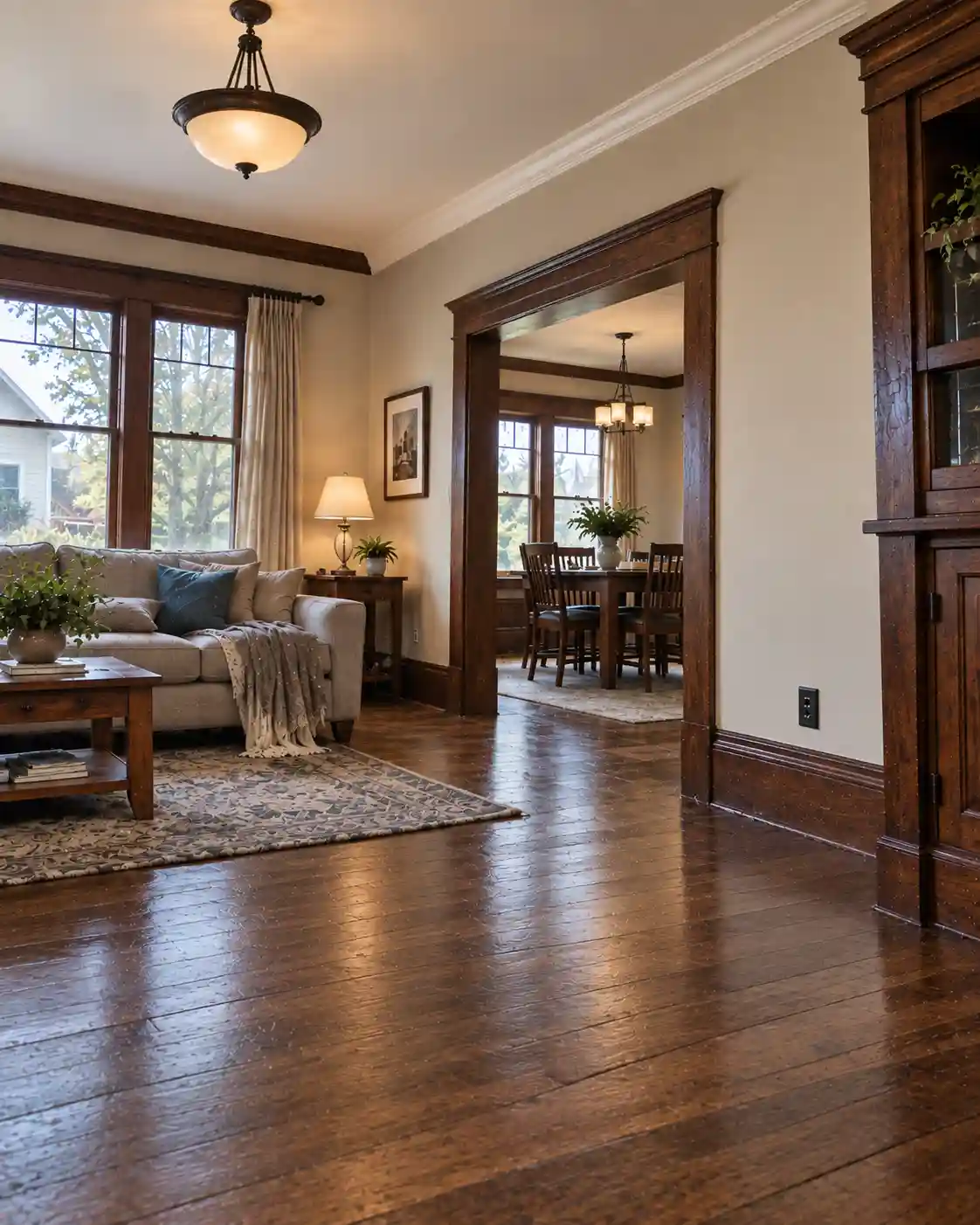
Mold only spreads — and gets more expensive — the longer it's ignored. Our AMRT-certified crews are standing by 24/7 with a 30-minute response, free inspection, air and surface testing, and independent third-party clearance so you get verified proof the mold is gone.